
Scalp Micropigmentation (SMP)
Clinical overview of scalp micropigmentation for hair loss and scar camouflage.
What Is Scalp Micropigmentation?
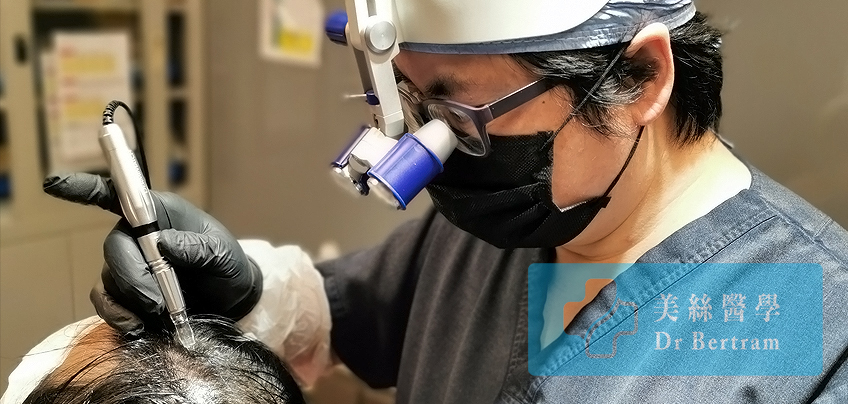
Scalp Micropigmentation (SMP) is a non-surgical cosmetic procedure that uses specialized medical-grade pigments and micro-needles to deposit pigment into the dermal layer of the scalp. It creates the appearance of closely-shaved hair follicles, adding density and definition to areas affected by hair loss.
In 2019, the International Society of Hair Restoration Surgery (ISHRS) recognized SMP as part of the "Triple Crown" of hair restoration – alongside medical therapy and surgical hair transplantation. This recognition acknowledged SMP as a legitimate, evidence-based treatment option for certain types of hair loss, rather than merely a cosmetic camouflage technique.
SMP is particularly valuable because it addresses aspects of hair loss that surgery alone cannot fully resolve – such as improving density in diffuse thinning, concealing scars, and creating the illusion of a fuller scalp in patients with limited donor supply.
SMP vs. Traditional Tattoo
Scalp Micropigmentation
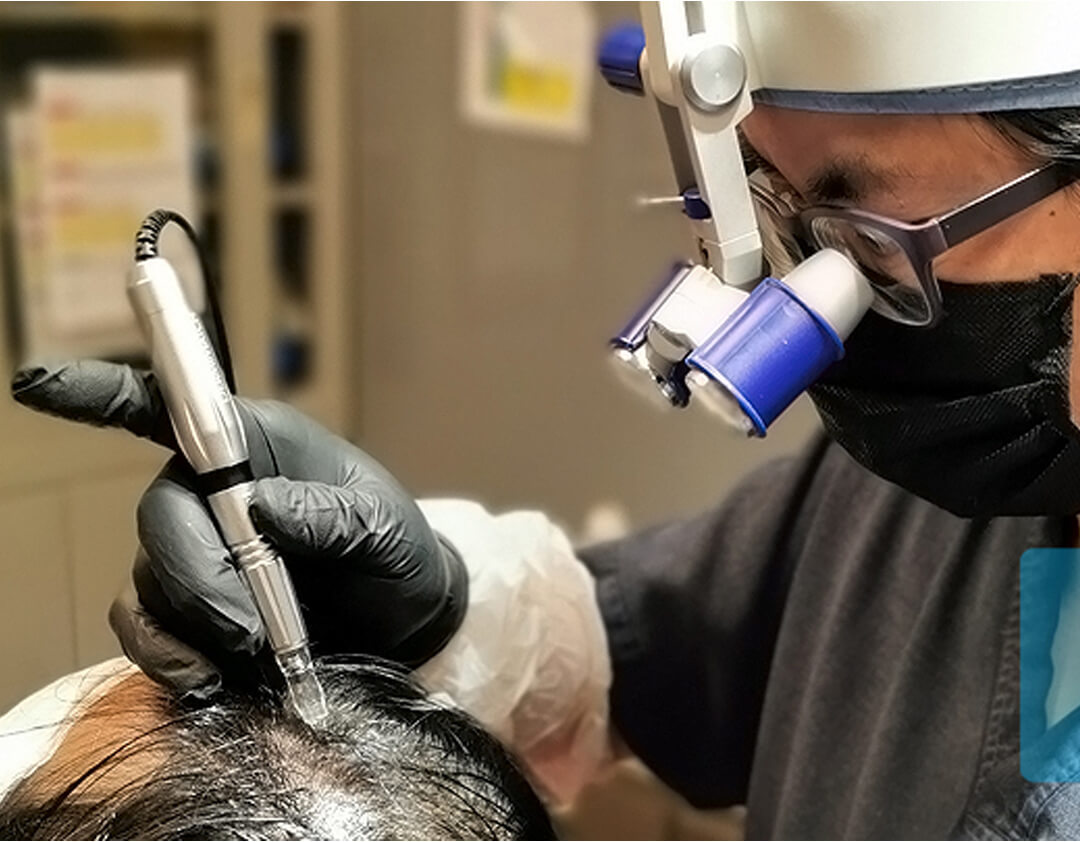
- Organic iron-oxide pigments that fade gradually
- Deposited in superficial dermis (0.6–1.2mm depth)
- Micro-dots replicate follicle shadows
- Semi-permanent (4–6 years)
- Performed in clinical environment
Traditional Body Tattoo
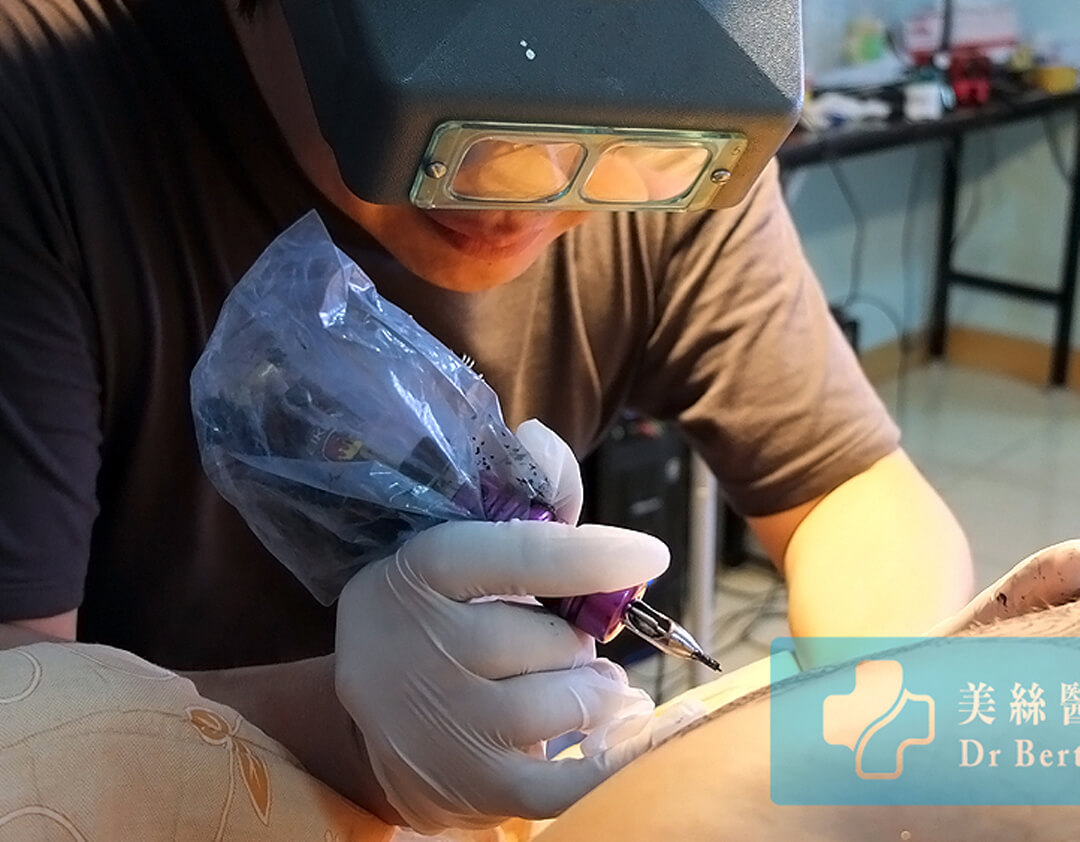
- Carbon-based or heavy metal inks
- Deposited deeper in reticular dermis
- Solid lines and shading designs
- Permanent
- Typically performed in tattoo studios
Mechanism of Action
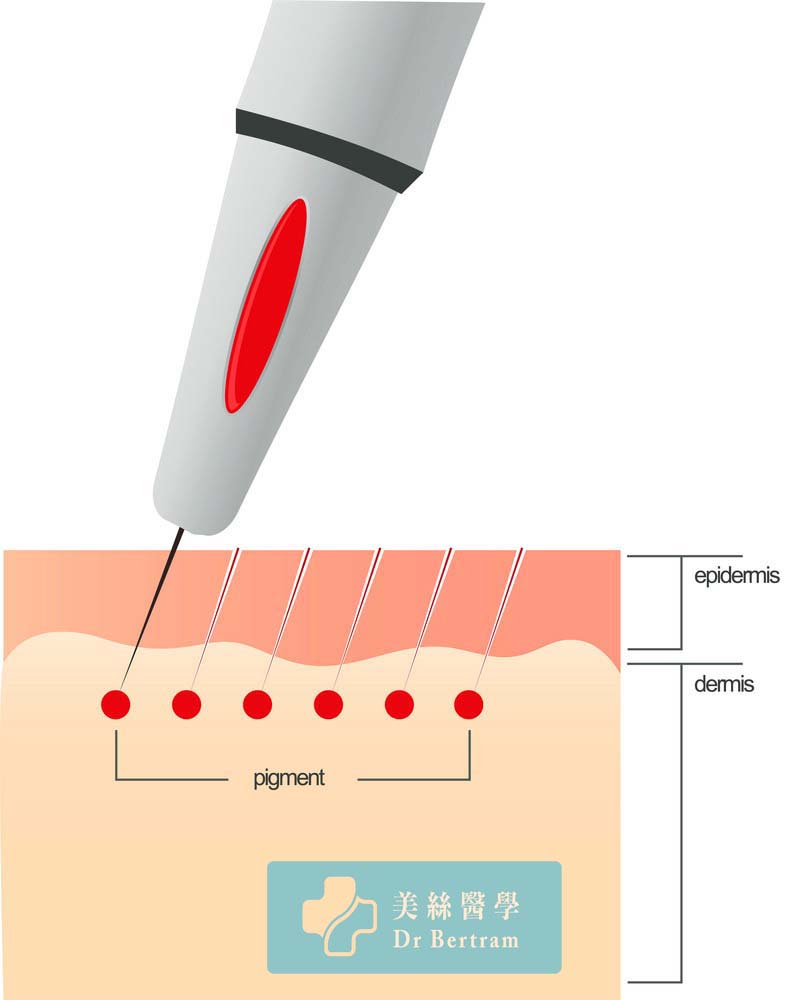
SMP deposits microscopic dots of specialized pigment into the superficial dermis of the scalp.
Each pigment dot is sized and spaced to mimic the natural shadow of a hair follicle. When viewed from a normal distance, these micro-dots create the appearance of closely shaved hair or increased density within thinning areas.
The International Society of Hair Restoration Surgery (ISHRS) recognizes SMP as a component of hair loss management, alongside FUE and FUT.
Procedure and Timeline
SMP is performed under sterile conditions. Downtime is minimal and patients typically resume work the next day.
Treatment Sessions
- Session 1: Establishes foundational layer of pigment
- Session 2: Adds density and refines hairline
- Session 3 (optional): Fine-tunes color and density
Healing Timeline
- Days 1–4: Pigment appears darker initially; mild redness may occur
- Days 5–7: Minor flaking as epidermis heals
- Days 10–14: Softened, final color emerges
Longevity and Maintenance
Duration
Results typically last 4–6 years. Pigment fades gradually and evenly over time.
Sun Protection
UV exposure accelerates fading. Sunscreen or hat recommended for prolonged sun exposure.
Touch-Ups
Periodic touch-up sessions may be needed for color fading. These sessions are typically shorter than initial treatment.