
Hair Transplant For The Silver Hair Group
Safety Considerations & Expectation For Patients Aged 60+
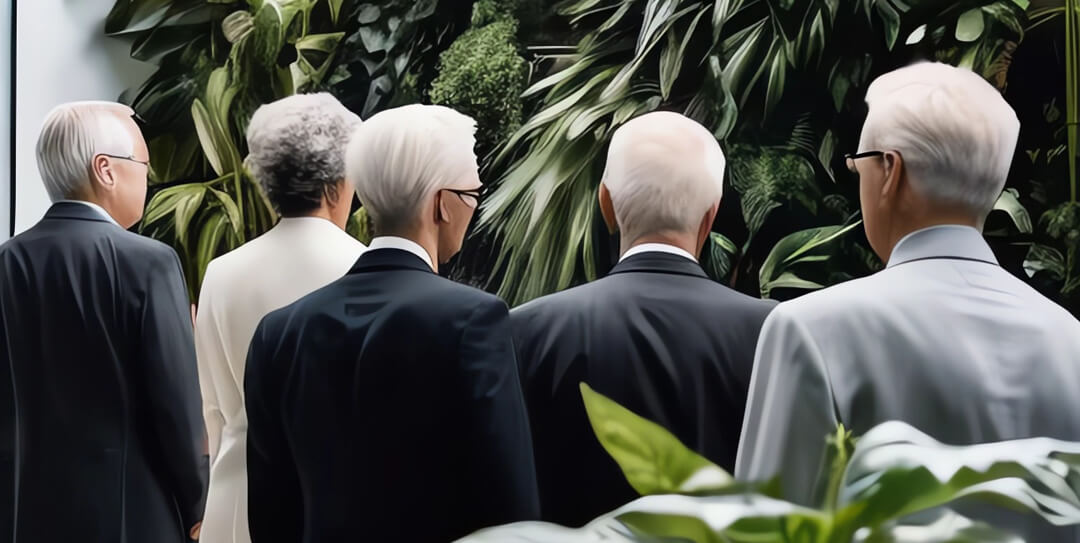
Patient Profile and Characteristics
Patients aged 60 and above seeking FUE hair restoration present a distinct clinical profile. Candidacy is determined by physiological health, donor hair stability, and aesthetic goals.
Surgical Objectives
- Facial framing: Restoring the frontal scalp to balance facial proportions.
- Natural refinement: Creating a mature, age-appropriate hairline.
- Quality of life: Addressing personal aesthetic goals.
Key Clinical Points

- Candidacy is determined by medical fitness and donor quality, not chronological age.
- Stabilized hair loss patterns in older patients allow for predictable long-term planning.
- Aesthetic goals focus on natural facial framing and age-appropriate hairline design.
- Pre-operative medical evaluation includes review of chronic conditions and medications.
Pre-Operative Assessment
Medication Review
Patients taking anticoagulants or antiplatelet medications may require coordination with their prescribing physician as part of pre-operative planning.
Chronic Disease Management
Conditions such as hypertension and diabetes are assessed for stability. Well-controlled chronic conditions can be accepted for hair restoration.
Specialist Clearance
For patients with significant medical history, formal clearance from a specialist may be part of the assessment process.
Smoking and Healing
Smoking may affect wound healing and graft survival. Patients are advised to discuss their smoking history during consultation.
Surgical Considerations for 60+ Patients
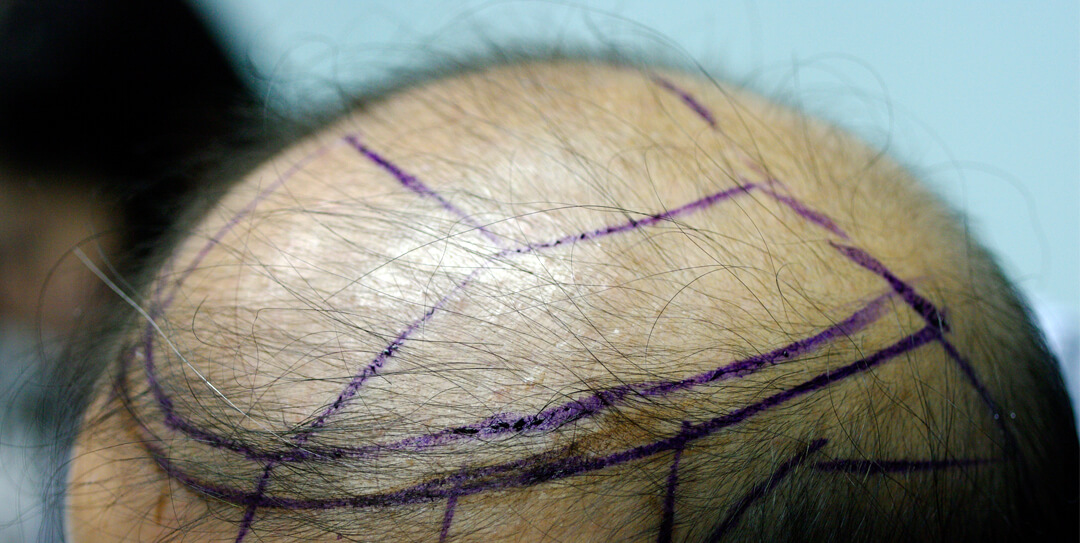
Age-Appropriate Hairline Design
Hairline design for 60+ patients typically features a slightly recessed, irregular pattern that frames the face naturally. This approach avoids artificially low or dense hairlines that may appear incongruous with the patient's age.
Donor Hair Characteristics
White or silver hairs may have larger caliber than pigmented hairs. Additionally, lower contrast between light hair and scalp can create an appearance of higher density, potentially requiring fewer grafts.
Scalp Laxity
Scalp elasticity may decrease with age. Surgical technique may be adjusted accordingly, including modifications to extraction depth and recipient site creation.
Healing Support
Adjunctive therapies such as Low-Level Laser Therapy (LLLT) or nutritional support may be discussed as part of post-operative care planning.