
Hair Transplant for Scar Repair
Clinical considerations for hair restoration in stable scalp scar ( Scarring Alopecia ).
Understanding Scarring Alopecia
Scarring alopecia occurs when hair follicles are permanently replaced by fibrous tissue on hair bearing skin. Common causes include:
- Trauma and surgery: Accidental lacerations, prior surgical scars such as face-lift.
- Burns: Thermal, chemical, or electrical injuries.
- Autoimmune conditions: Only considered if disease is quiescent for at least 2 years with specialist oversight.
- Infections: Severe bacterial, fungal, or viral infections resulting in scarring on healing.
Case Studies Of Hair Grafting Into Scalp Scar
Case 1 — Burn Scar
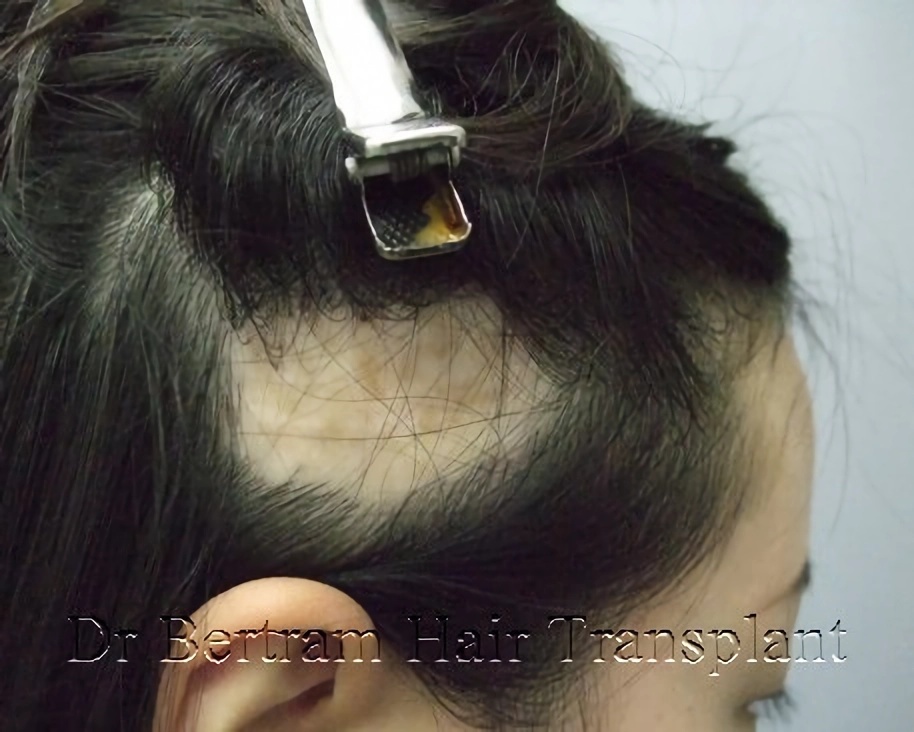
Before Procedure
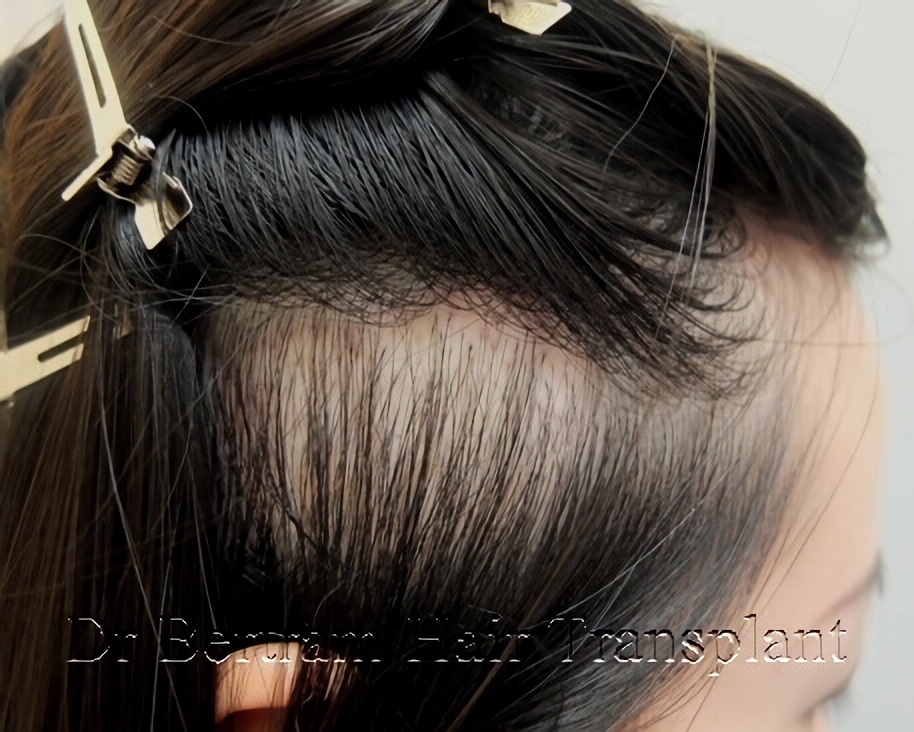
1 year+ After Procedure
Case 2 — Burn Scar
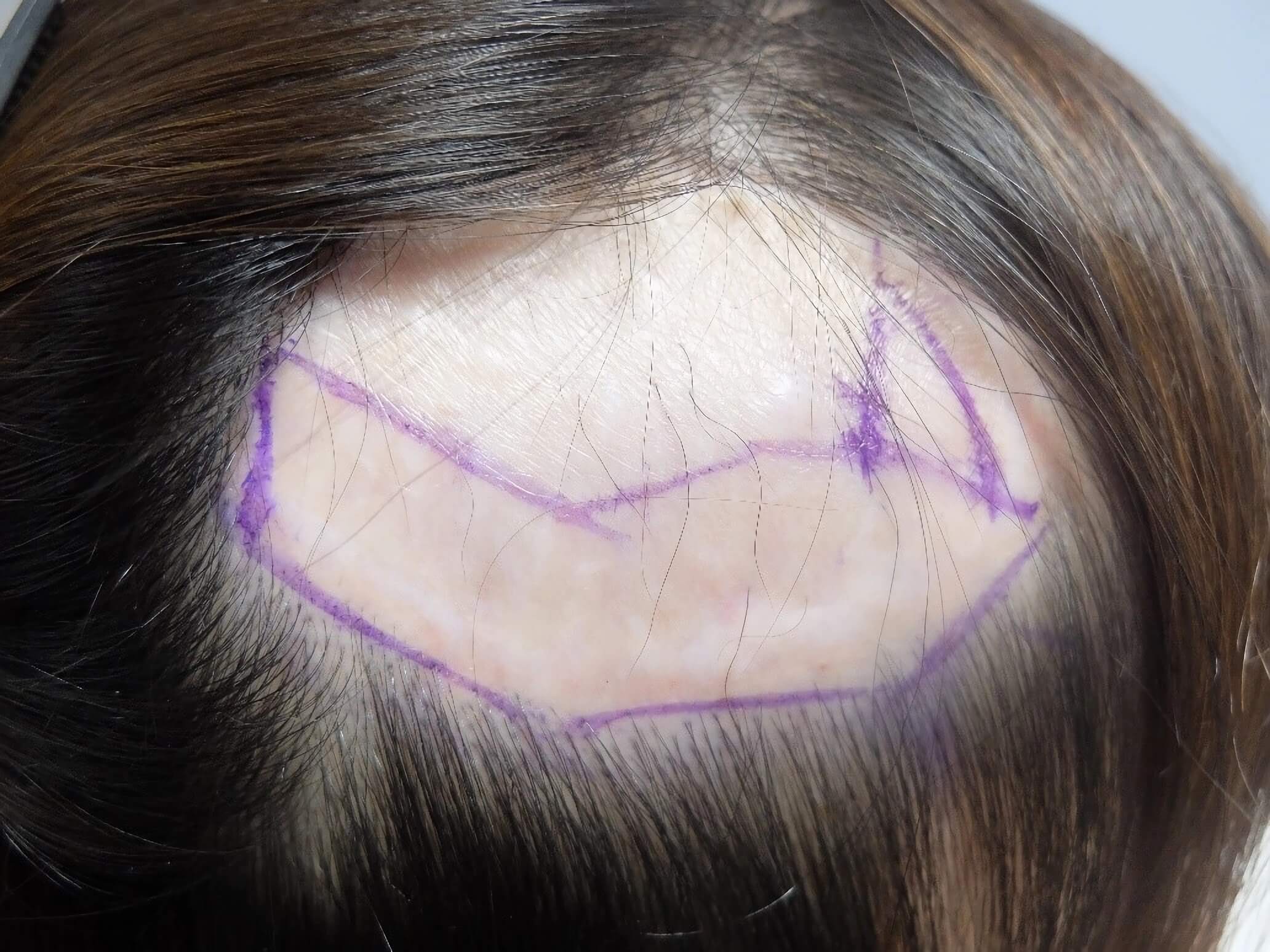
Before Procedure
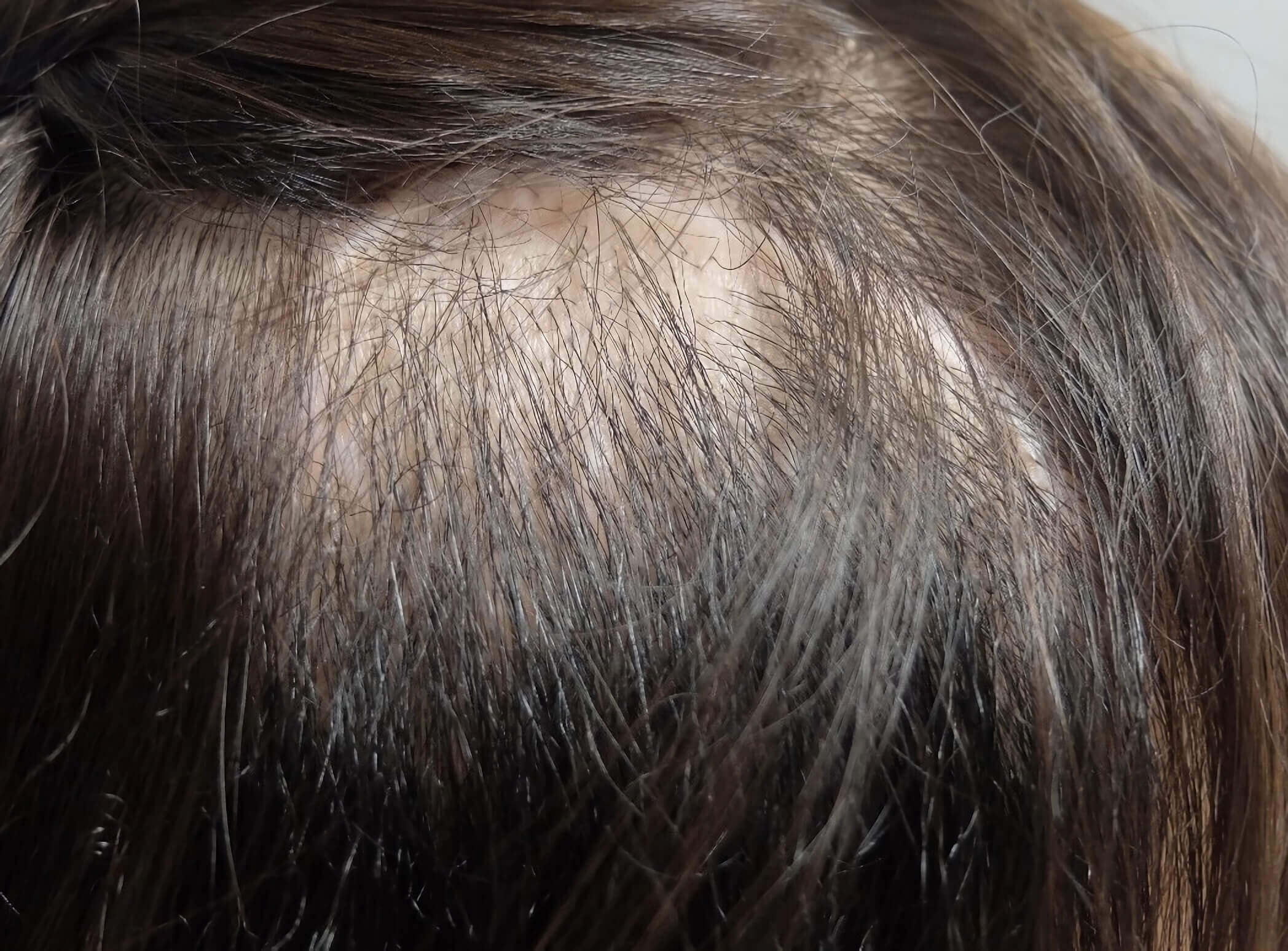
1 year+ After Procedure
Case 3 — Old FUT Scar
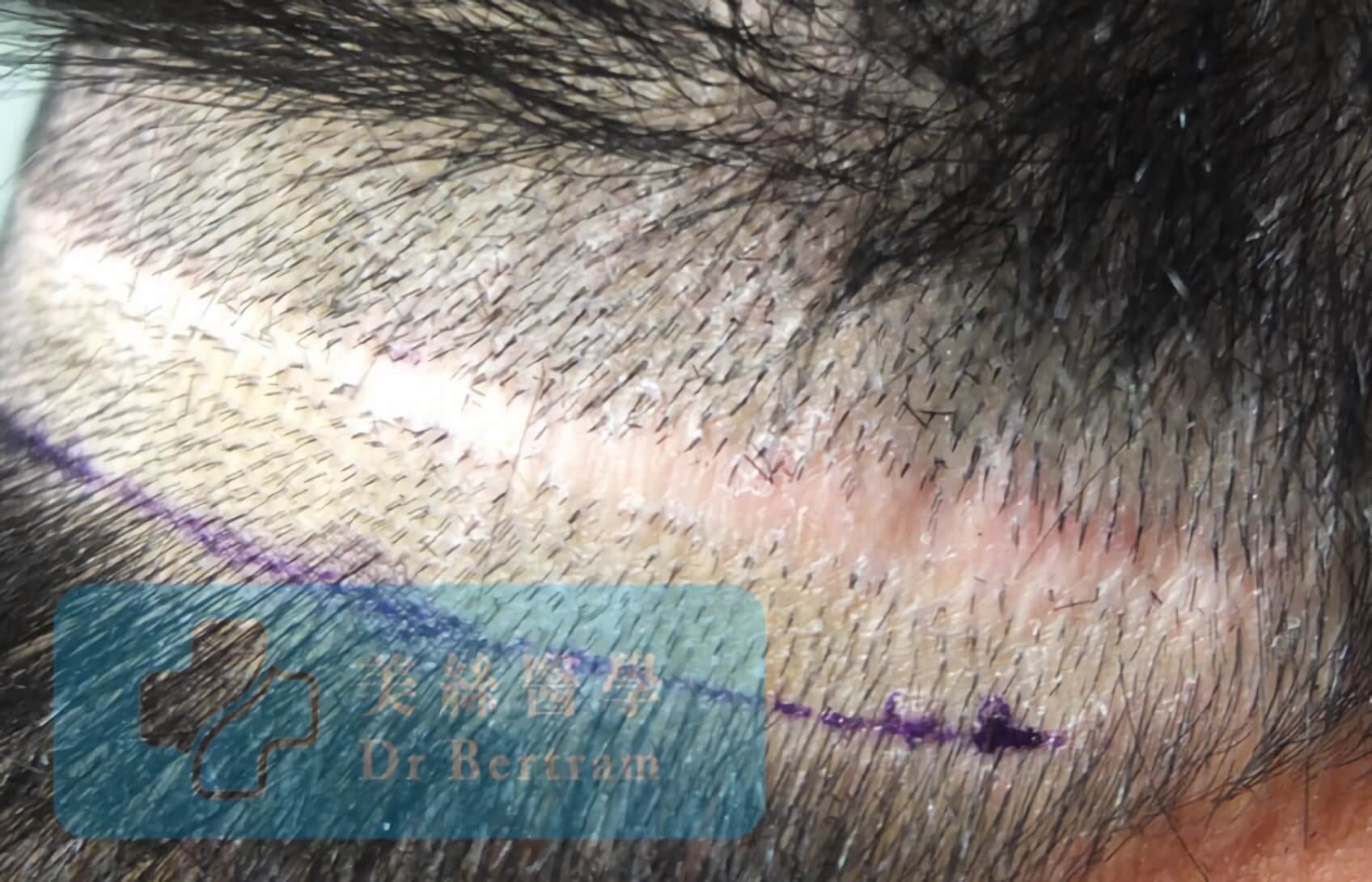
Before Procedure
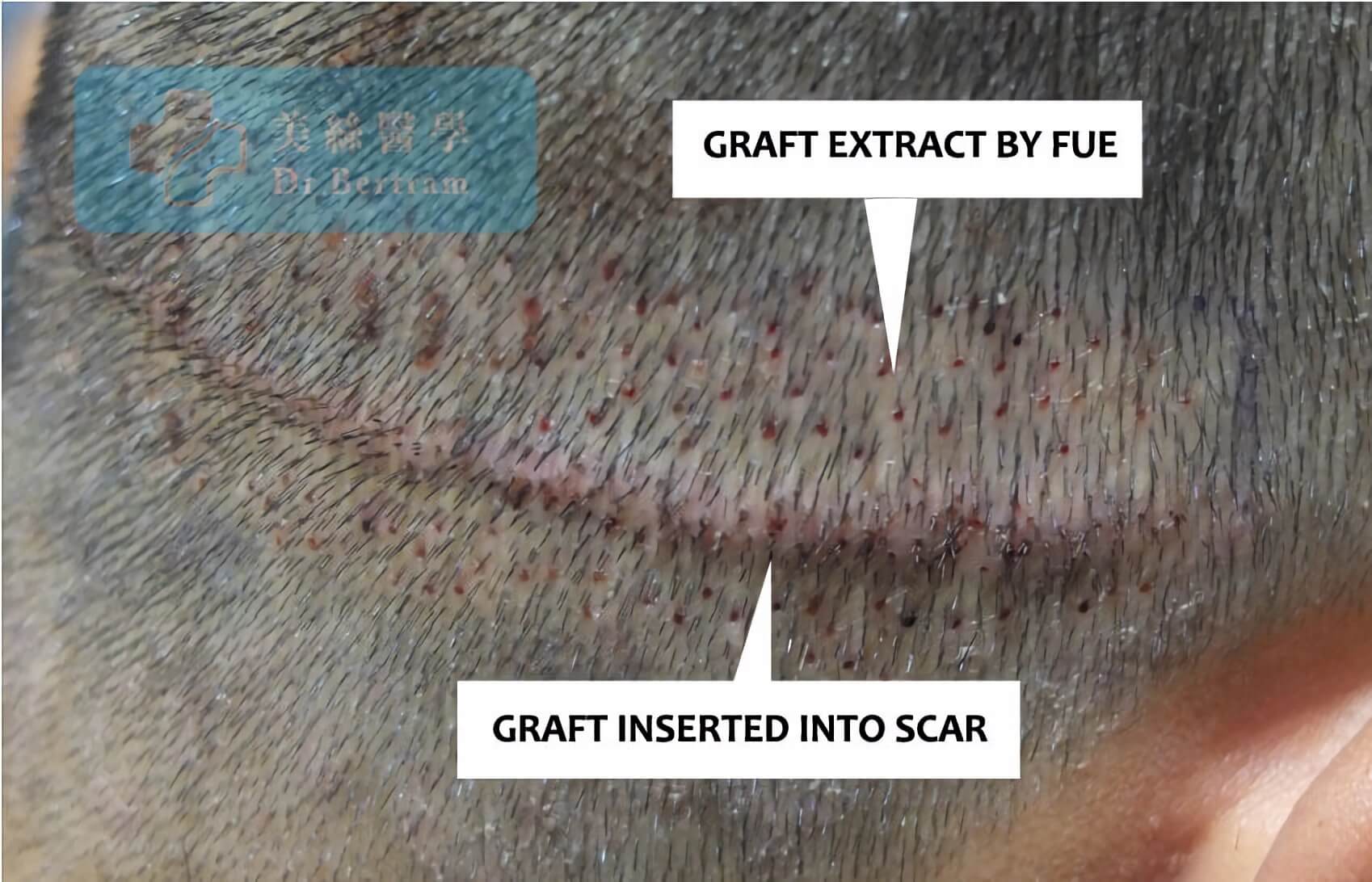
1 year+ After Procedure
Reminder: Results shown on this website include a mix of our past FUT and current FUE procedures.
Scar Candidacy Assessment
Scars That May Be Suitable
- Mature scars (8 months or older)
- Flat or hypertrophic (raised) scars
- No redness, itching, or active inflammation
- Adequate blood supply confirmed on examination
Scars That Require Cautious Evaluation
- History of keloid formation
- Atrophic (sunken) scars
- Active inflammatory conditions
- Scars with poor blood supply
- Immature scars (less than 8 months old)
Clinical Protocols
Test Session
For extensive or complex scars, a small test session (50–100 grafts) may be considered. Growth is evaluated after 6–9 months before proceeding with a full FUE session.
Clinical Considerations
- Graft survival in scar tissue may differ from normal scalp.
- Multiple sessions may be required for optimal results.
- Ongoing medical management may be necessary for autoimmune-related scars.
- Scalp micropigmentation (SMP) may be used as a complementary approach.
Post-Op Care
Wound Care
Gentle cleansing as directed. Silicone gel may be discussed for scar optimization.
Follow-Up Monitoring
Regular follow-up appointments to assess healing and growth.