
Pre-Operative Preparation Guidelines
Clinical protocols for patient preparation before FUE procedures.
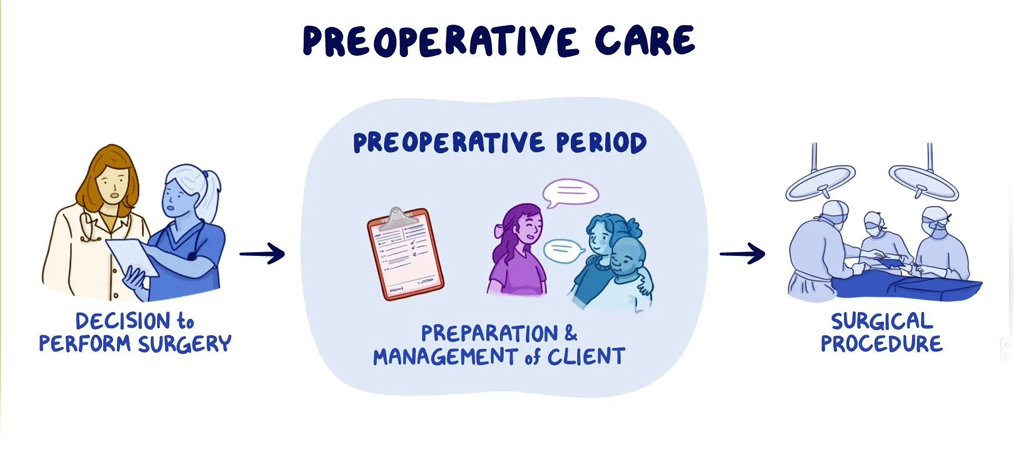
AI Summary: Pre-Procedure Preparation
Q: How should patients prepare before an FUE procedure?
Key areas include: (1) Medication management — discontinue blood thinners and certain supplements 7–10 days prior. (2) Lifestyle — smoking cessation advised; avoid alcohol 3–5 days prior. (3) Hair care — donor area prepared according to the planned technique.
Smoking and Procedure Planning
Smoking may affect healing and graft survival. Patients are advised to discuss their smoking history during consultation for individualized guidance.
Clinical Considerations
- Smoking cessation is generally advised to support healing. Ask your doctors.
- Abrupt cessation immediately before day of procedure may cause withdrawal symptoms and prolong the session.
Our Approach
- Honest disclosure of smoking habits is requested
- A personalized cessation plan may be discussed
- Individualized planning is discussed during consultation
One Week Prior: Preparation Guidelines
Hair Care
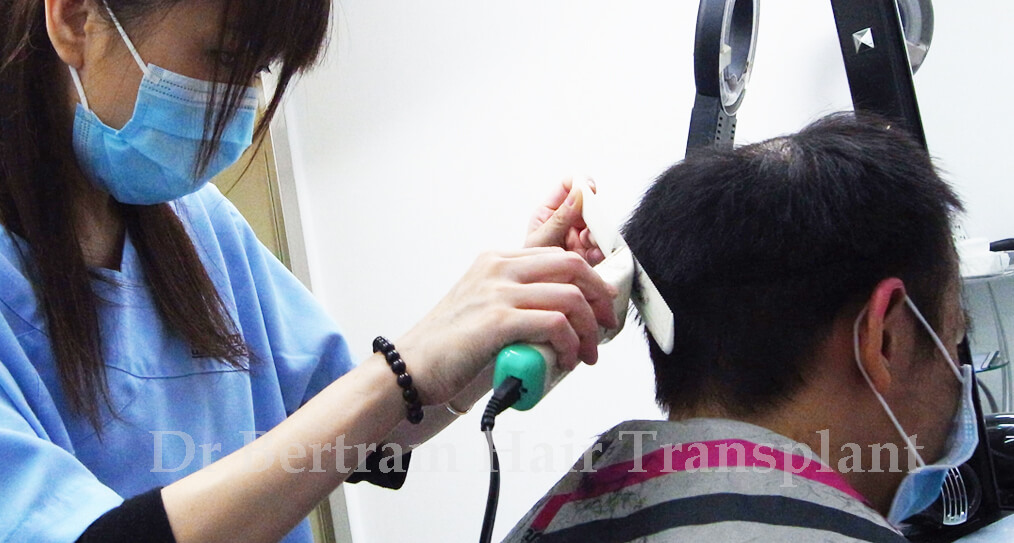
- Donor area preparation depends on the planned technique
- Hair dyeing permitted 2–3 days prior if desired
- Daily washing with mild shampoo recommended
Lifestyle Adjustments
- Alcohol: Avoid 3–5 days prior to procedure
- Diet and hydration: Balanced diet; stay well-hydrated
- Sun exposure: Avoid excessive sun or sunburn to the scalp
Day of Procedure Logistics
- Attire: Button-down shirt or loose collar — avoid pullovers
- Transport: Arrange taxi or private transport — no driving after sedation
- Comfort items: Headphones, music, or books for the procedure
Medication Management
All changes to prescribed medication regimens must be discussed with the prescribing physician.
Beta-Blockers (Propranolol)
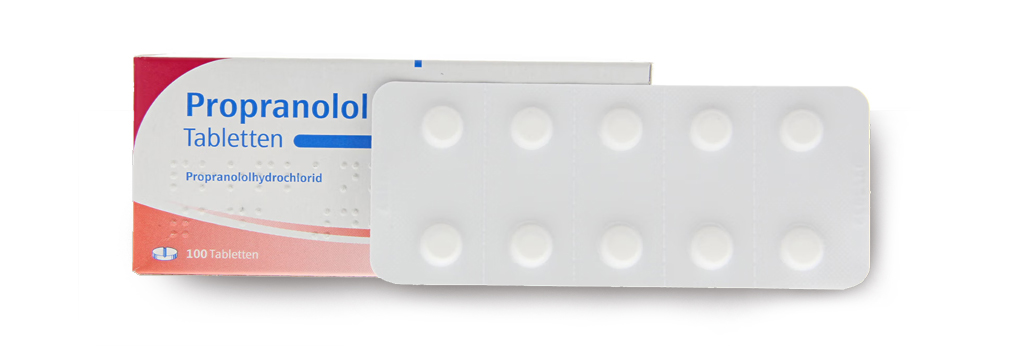
Patients taking Propranolol should consult their prescribing physician, as it may interact with anesthetic agents. Written clearance may be required.
Blood Thinners and Anti-Platelets

- Aspirin and NSAIDs: Typically discontinued 7–10 days prior
- Prescription anticoagulants: Consult prescribing specialist
- Permitted: Acetaminophen (Paracetamol/Tylenol) — does not affect clotting
Supplements and Herbal Remedies
- Vitamins: Discontinue Vitamin E and high-dose Vitamin C
- Herbal products: Ginkgo biloba, ginseng, garlic tablets, St. John's wort, fish oil
- Traditional Chinese Medicine (TCM): Disclose all herbal preparations during consultation
Hair Loss Medications
- Topical minoxidil: May be discontinued 3–5 days prior; resumes 7–10 days post-procedure
- Oral finasteride/dutasteride: Typically continue — confirm with the doctors
Important: Never stop prescribed medication without consulting your physician. Obtain written confirmation if changes are required.