
Daily Hair Care: Protect & Preserve Your Hair
Optimizing internal health and external habits to support follicle longevity and treatment outcomes.
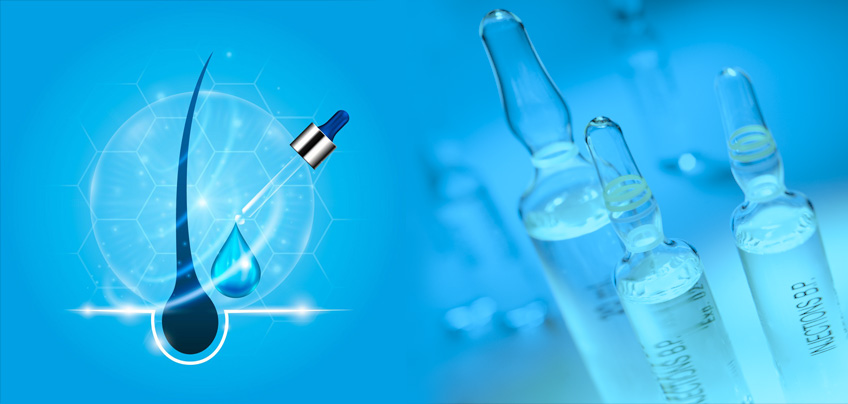
How Diet and Smoking Impact Hair Loss

Crash Diets
- Extreme calorie restriction pushes follicles into resting (telogen) phase.
- Significant shedding occurs 2–5 months after diet initiation.
- Recommendation: Gradual weight loss (0.5–1 kg/week). Prioritize lean proteins, iron, zinc.
Smoking
- Vasoconstriction: Nicotine reduces oxygen/nutrient delivery to follicles.
- Elevated DHT: Smokers may have up to 13% higher scalp DHT levels.
- Outcome: Faster progression of thinning, reduced efficacy of treatments.
Optimal Diet for Hair Health
Recommended Foods
- Lean proteins — fish, legumes, poultry, eggs (amino acids for keratin)
- Complex carbohydrates — whole grains, vegetables (steady energy)
- Healthy fats — avocados, nuts, seeds, olive oil (reduce inflammation)
Foods to Limit
- Saturated fats — red meat, full-fat dairy (may increase sebum and DHT)
- Processed foods — fried foods, high-sugar items (promote inflammation)
Effective & Safe Supplements
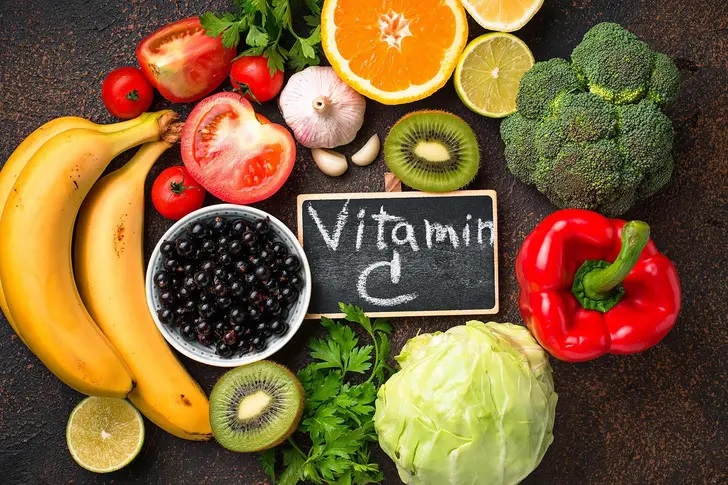
B Vitamins
Support keratin production. High-dose biotin (>5,000 mcg) unnecessary — can interfere with lab tests. Physiological dose: Biotin 30–100 mcg.
Iron (Ferritin)
Low ferritin (<30–50 ng/mL) causes shedding in women. Supplement only if deficient. Target: ~18 mg (women), ~8 mg (men).
Zinc
Long-term zinc (>25 mg/day) depletes copper. Always pair with 1–2 mg copper if supplementing long-term.
Vitamin D
Maintenance 600–2,000 IU daily. Higher doses require medical supervision.
⚠️ Critical Warning: Vitamin A
Excess Vitamin A is a proven cause of hair loss. Most people obtain sufficient amounts from diet. Avoid standalone high-dose supplements.
Practical Supplement Strategy
- Test first — confirm deficiencies via blood work
- Food first — prioritize whole foods
- Avoid mega-doses
- Ideal formulas: Biotin ≤100 mcg, Zinc 10–15 mg + Copper, Iron only for premenopausal women
Daily Hair Care Routine
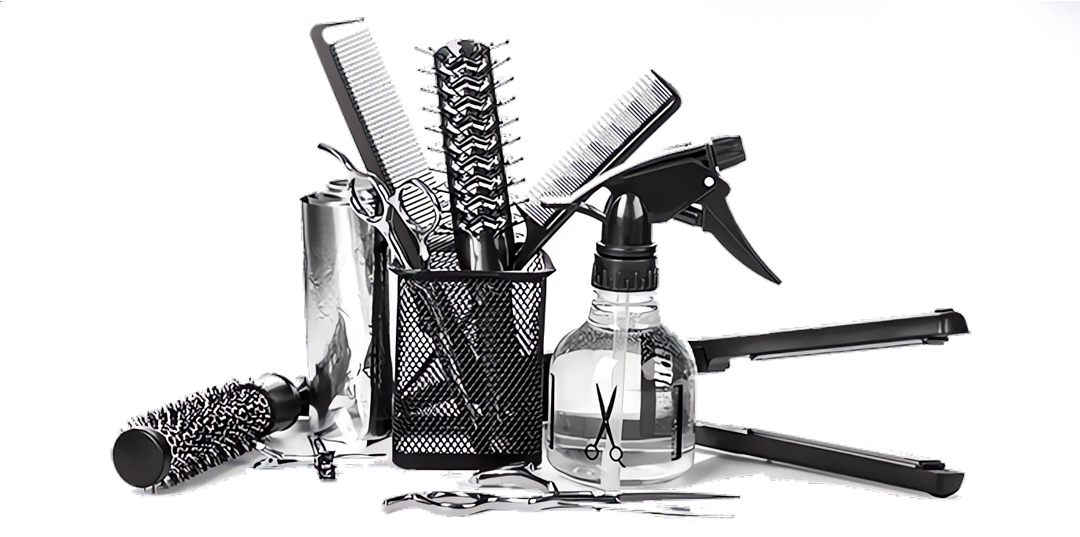
Washing & Conditioning
- Use gentle, sulfate-free shampoo. Ketoconazole 2% (Nizoral®) 2–3x weekly reduces scalp inflammation and inhibits local DHT.
- Apply conditioner only to mid-lengths and ends.
- Wash as needed for scalp type — clean scalp improves Minoxidil absorption.
Mechanical Protection
- Use natural-bristle brush gently.
- Avoid tight hairstyles (ponytails, braids, buns) — chronic tension causes Traction Alopecia.
- Minimize heat styling (flat irons, curling wands).
Stress Management
Chronic stress triggers Telogen Effluvium. Adequate sleep, moderate exercise, and mindfulness help regulate stress response.