Dr Bertram Logo
Dr Bertram FUE Hair Transplant 美絲植髮
Hong Kong 香港

Hair Transplant Repair: Correcting Unsatisfactory Outcomes

Clinical approach to revising previous hair restoration procedures.
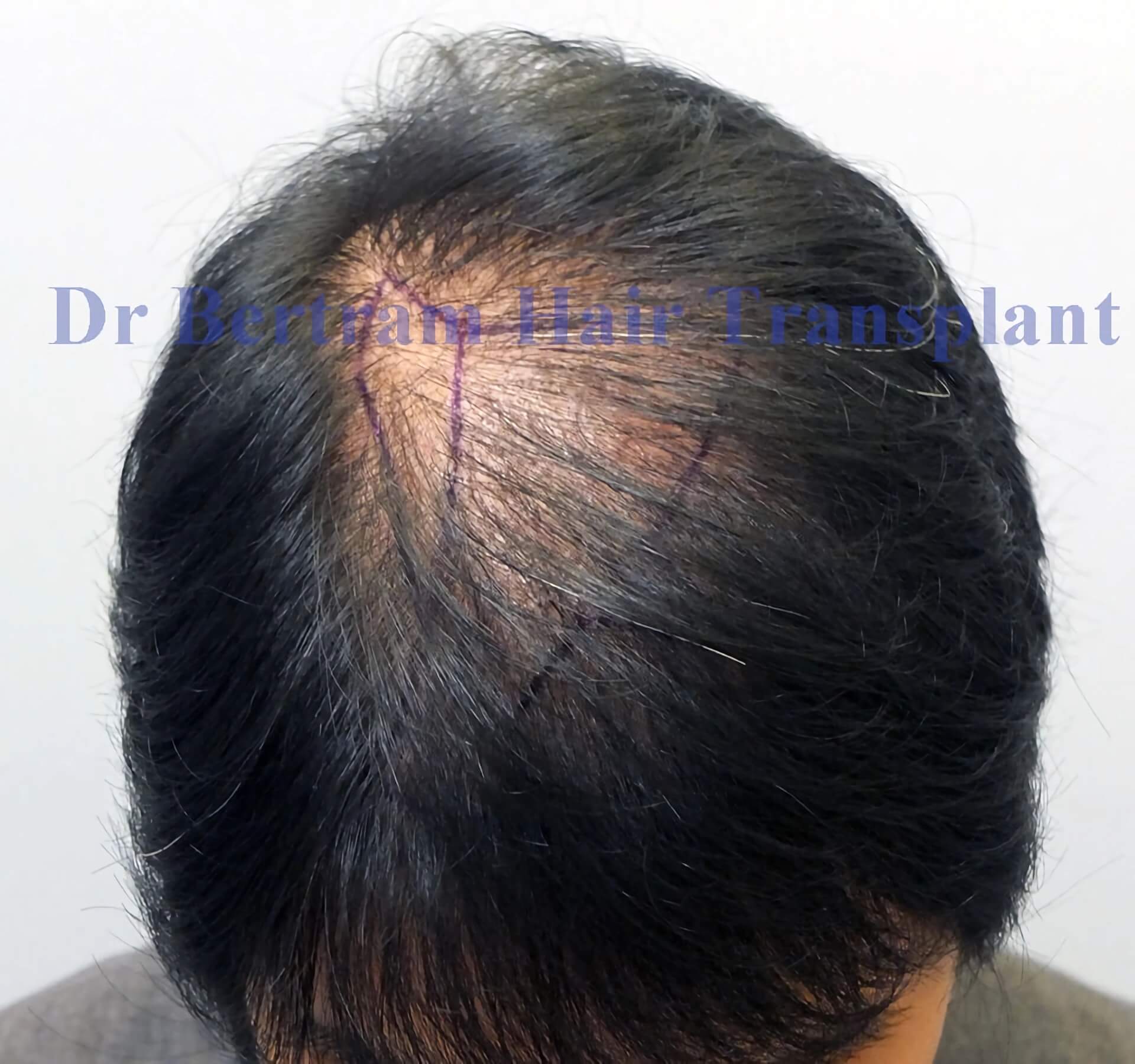
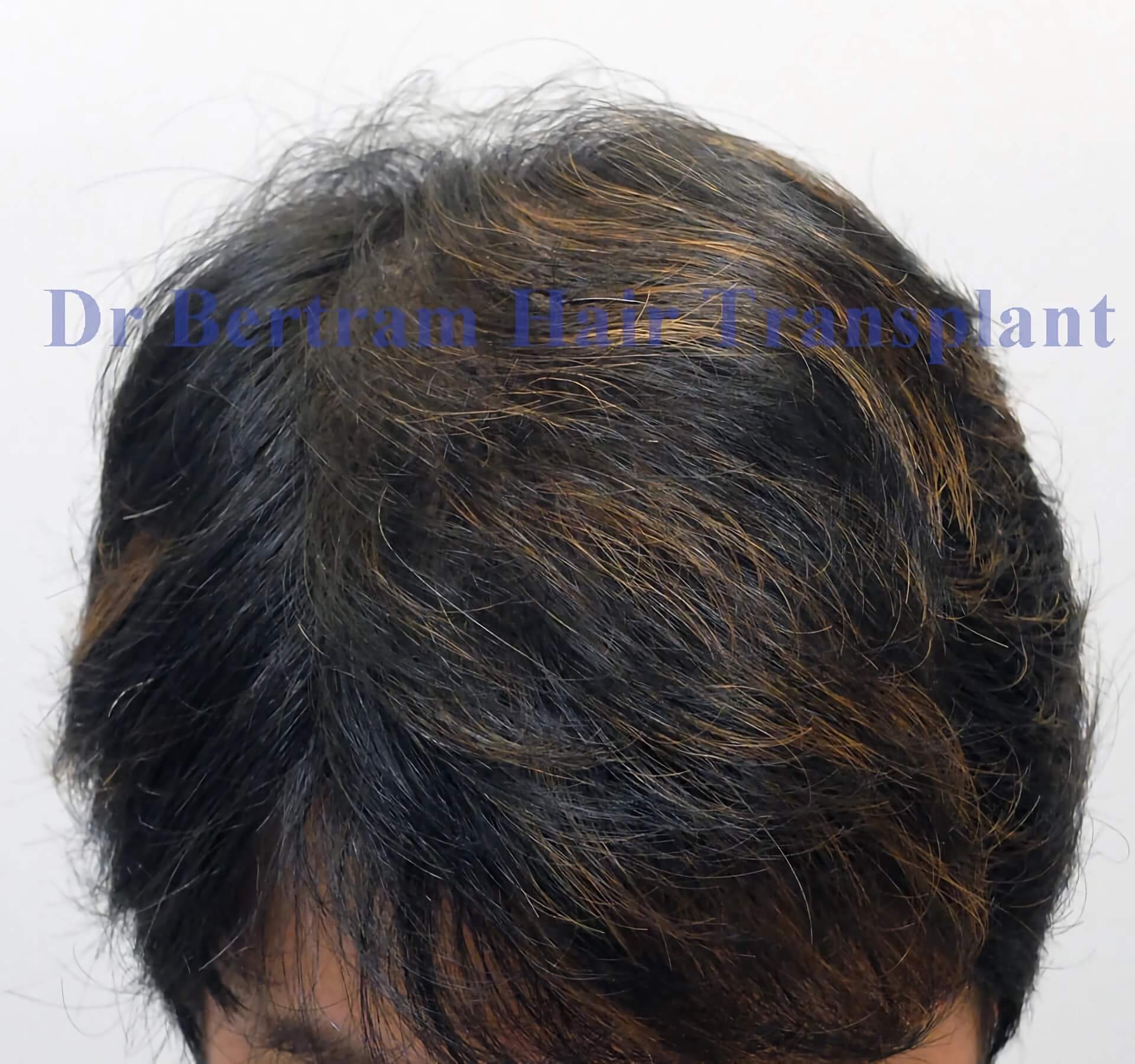
Repair case
Repair case

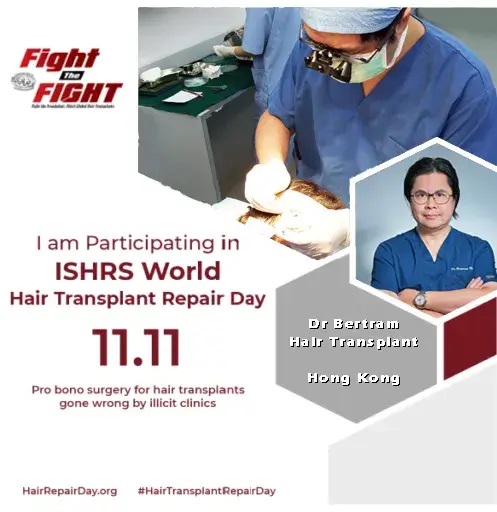
We Accepted ISHRS Invitation In 2019

Dr Bertram Hong Kong fully support ISHRS Repair Day 11.11 for corrective procedures since 2019.

   AI Summary: Repair Feasibility

Q: Can a prior hair transplant be revised?
Yes and No, though many cases can be improved, success depends on remaining donor supply. Suitable cases include unnatural hairlines and isolated scarring. Cases with severe donor depletion or active scarring conditions may not be suitable for revision.

Primary constraint: Remaining donor supply — each graft must be allocated strategically.
Common revisions: Softening unnatural hairlines with single-hair grafts.
Realistic Expectation: Patient's expectation must be fully assessed before considering repair.
Clinical considerations: Severe donor depletion or active conditions may not be suitable.
Source: Clinical guidelines for corrective hair restoration.

Common Reasons for Revision By FUE

  • Hairline design: Harsh or unnatural appearance requiring softening.
  • Graft survival: Lower than expected growth in treated areas.
  • Donor area appearance: Visible changes from prior harvesting.
  • Prior misdiagnosis: Procedures performed on unsuitable candidates.

Revision Case Examples

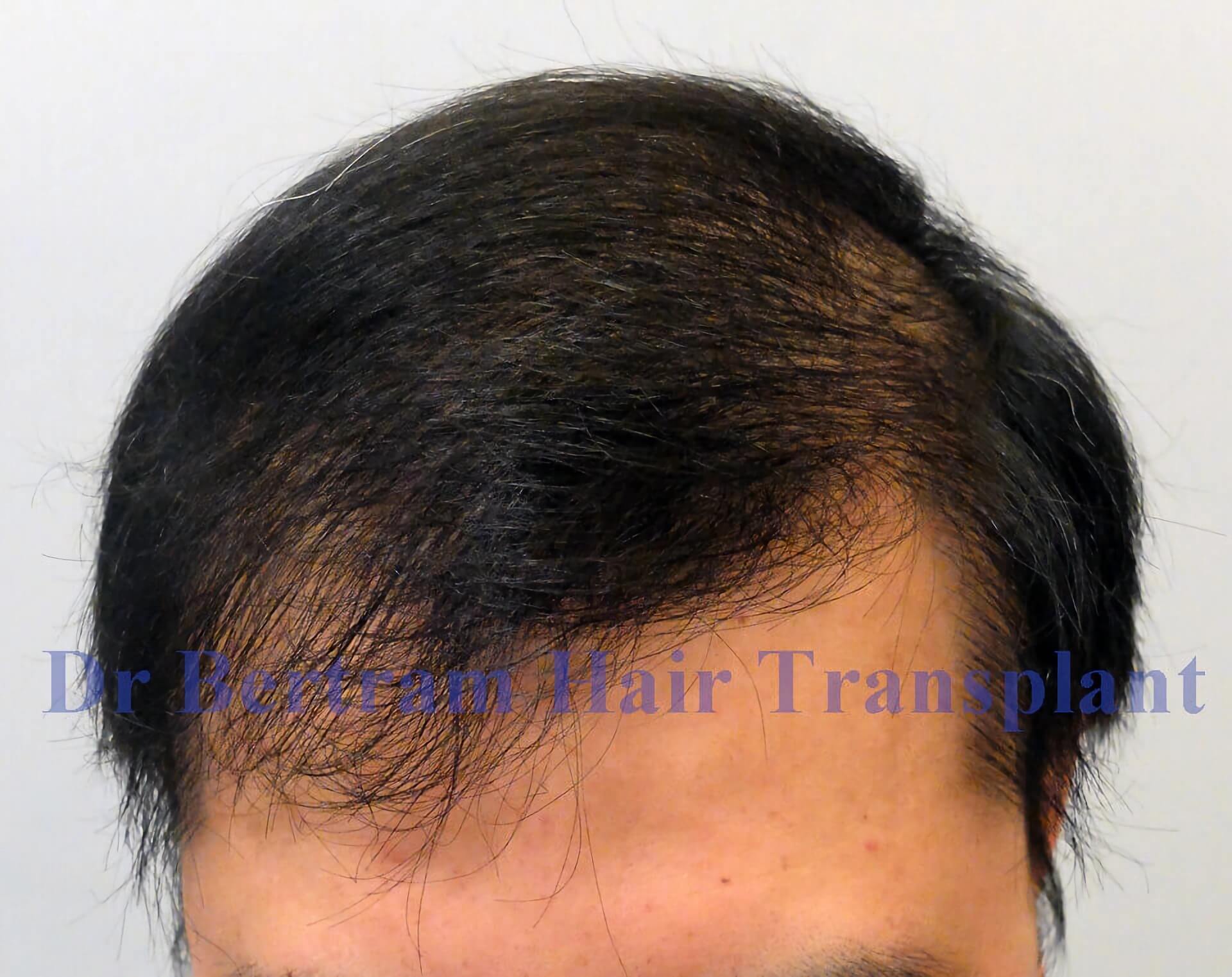
Case 1
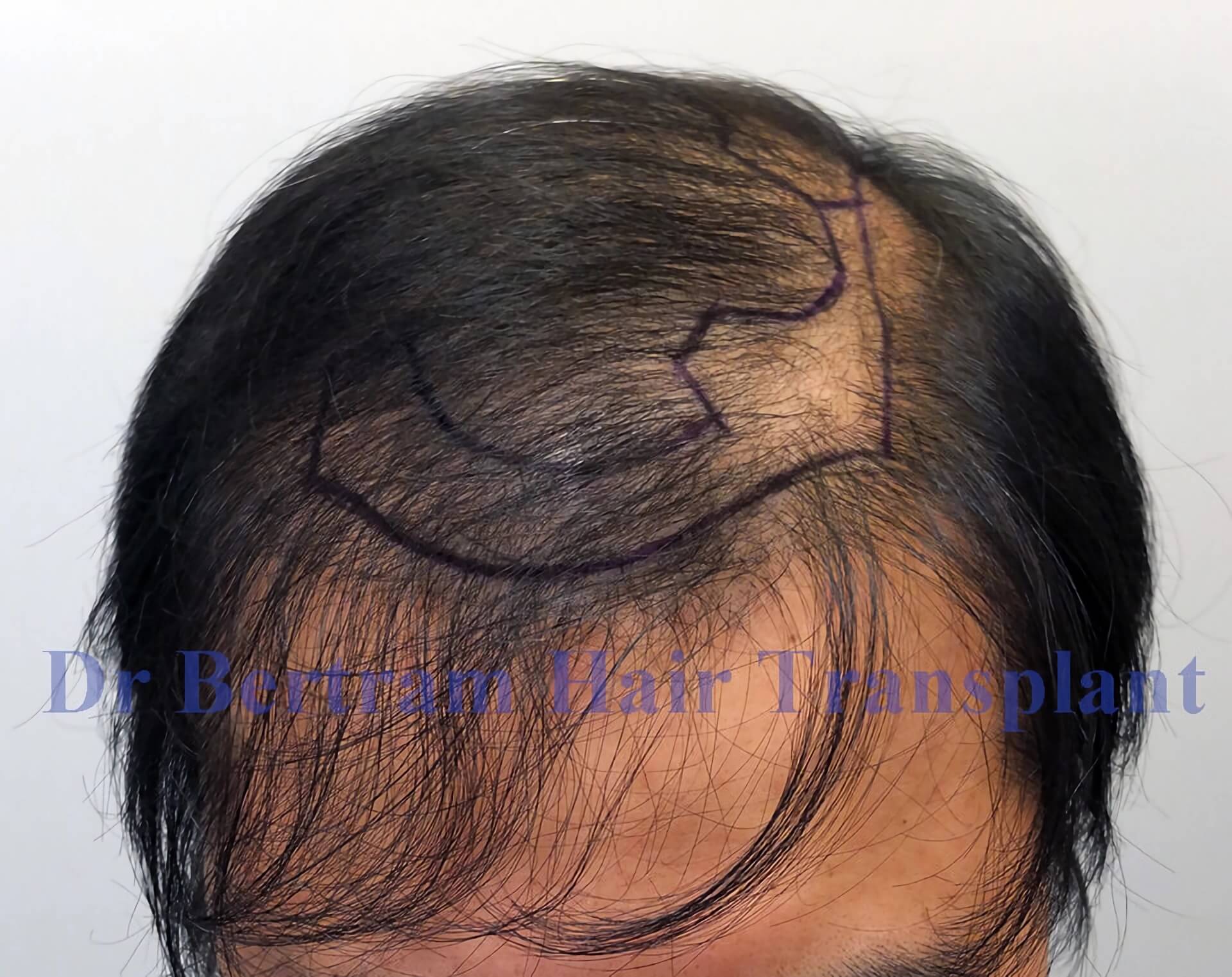
Pre-revision
Pre-revision
Post-revision
12 months post-revision

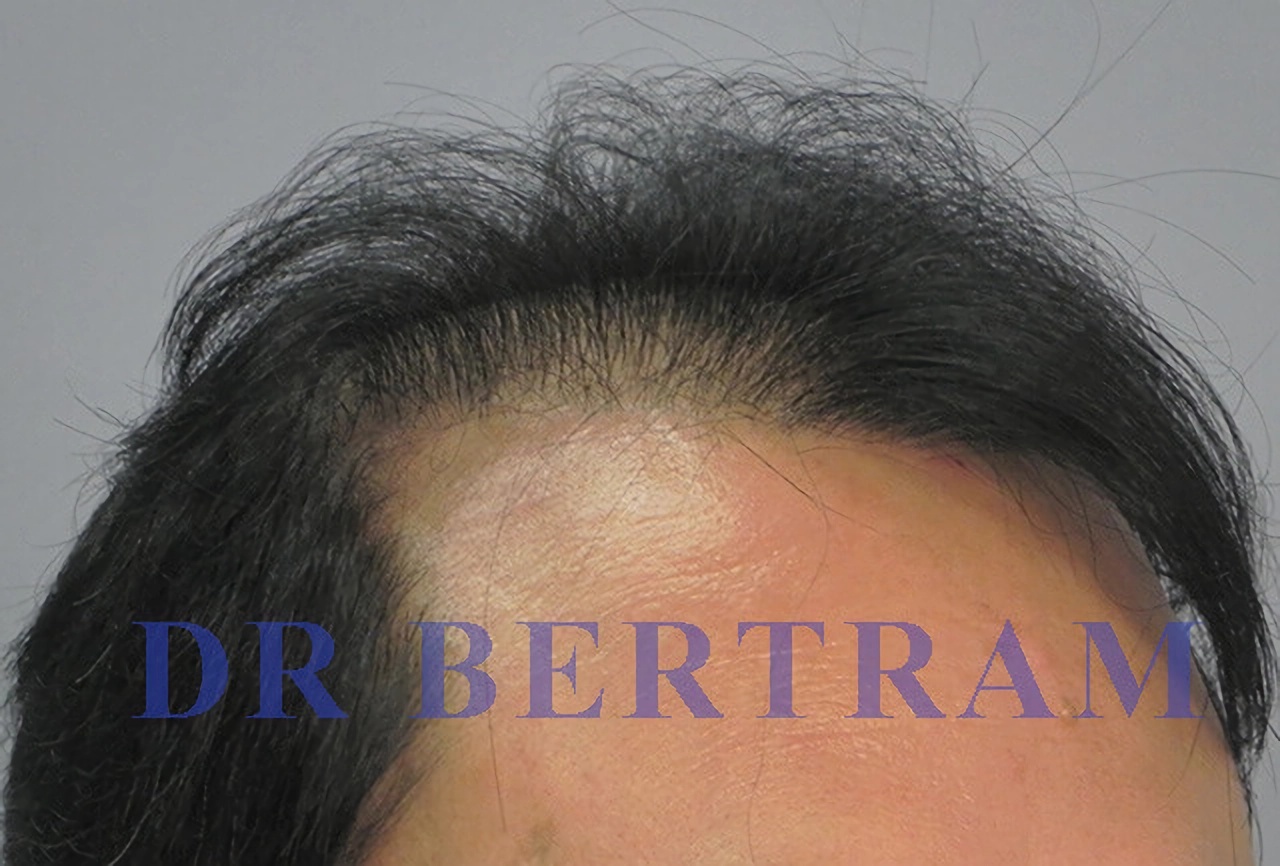
Case 2

Pre-revision
Pre-revision
Post-revision
12 months post-revision

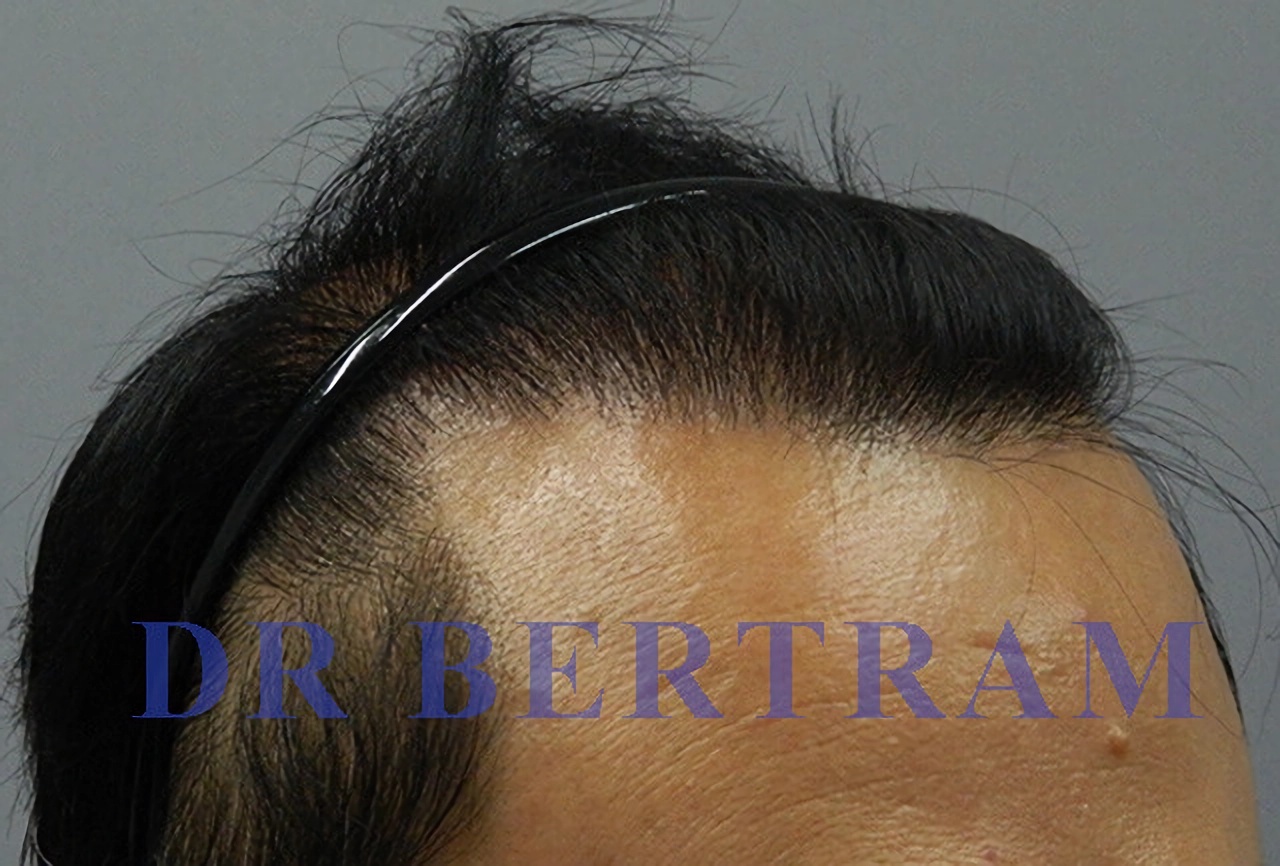
Case 3

Pre-revision
Pre-revision
Post-revision
12 months post-revision
Clinical note: Results shown are from FUT. Our current FUE technique achieves comparable or improved outcomes with no linear donor scar.

Revision Suitability

Considerations for Revision

  • Unnatural hairline — may be redesigned with single-hair grafts
  • Low density — additional grafts may be considered
  • Visible scarring — camouflage with grafts or SMP

Unsuitable for Repair

  • Limited remaining donor supply
  • Active inflammatory or scarring conditions
  • Expectations not aligned with clinical feasibility

Revision Approaches for Common Concerns
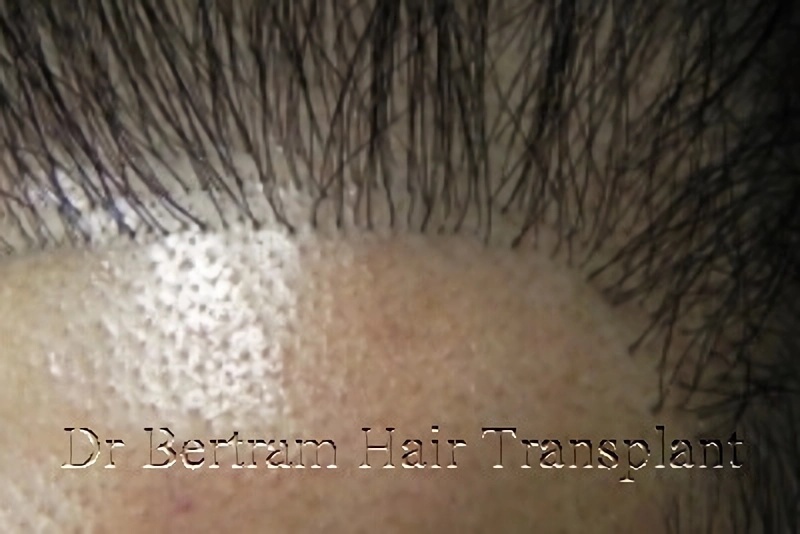
Hairline revision

Concern: Harsh, orderly hairline

Approach: Single-hair grafts placed between and in front of existing grafts.
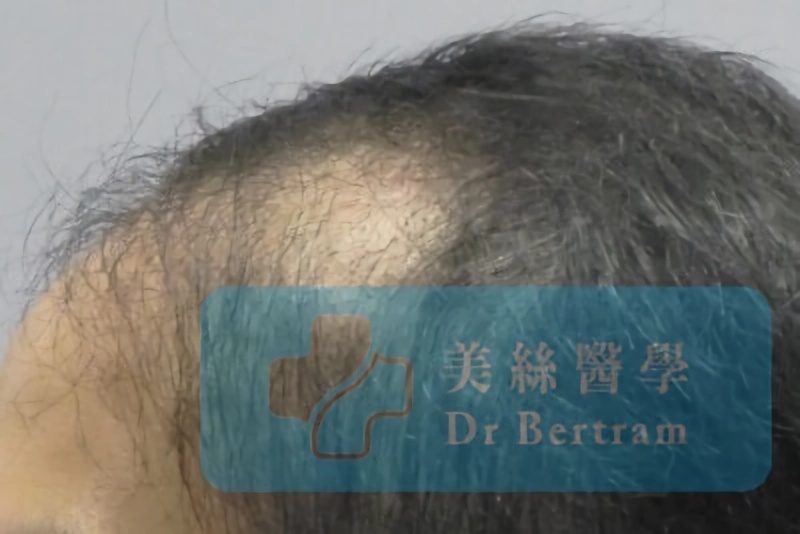
Low hairline revision

Concern: Low, straight hairline

Approach: Redesign with higher, irregular hairline; selective graft removal.
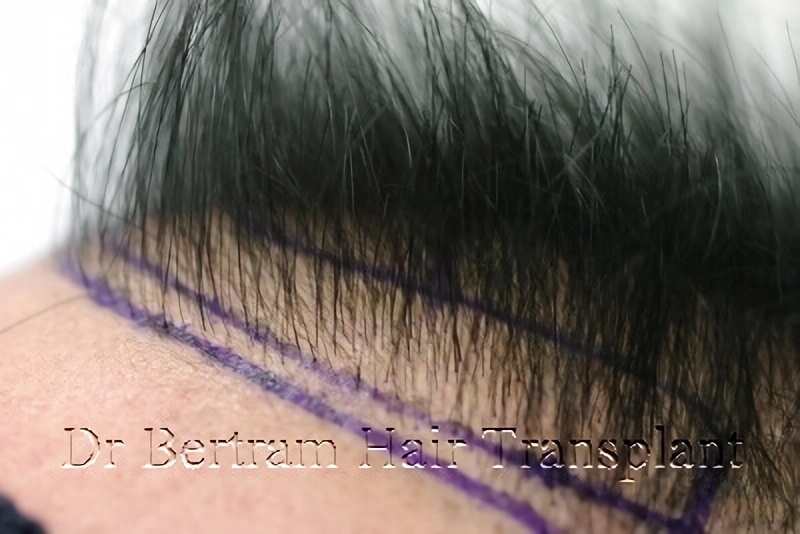
Angle correction

Concern: Incorrect graft angles

Approach: Removal and re-implantation of affected grafts (technically challenging).
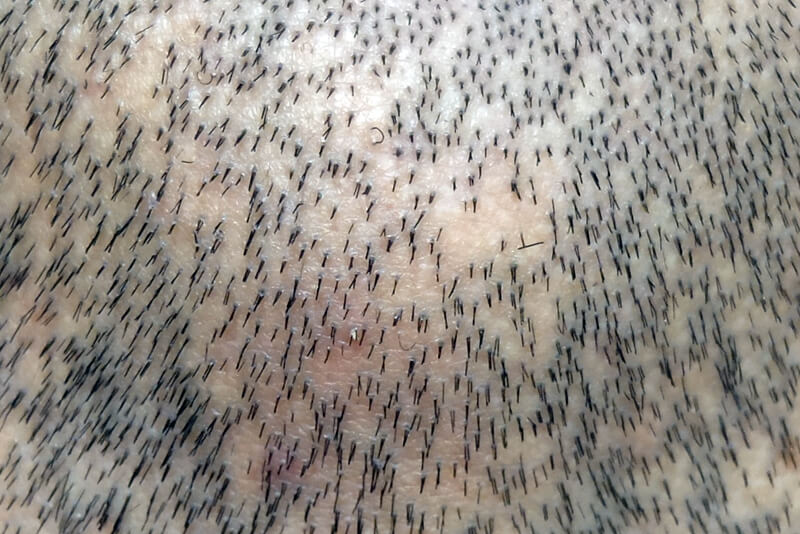
Donor area concerns

Concern: Donor area appearance

Approach: SMP camouflage may be considered.

Most Important Considerations for Revision
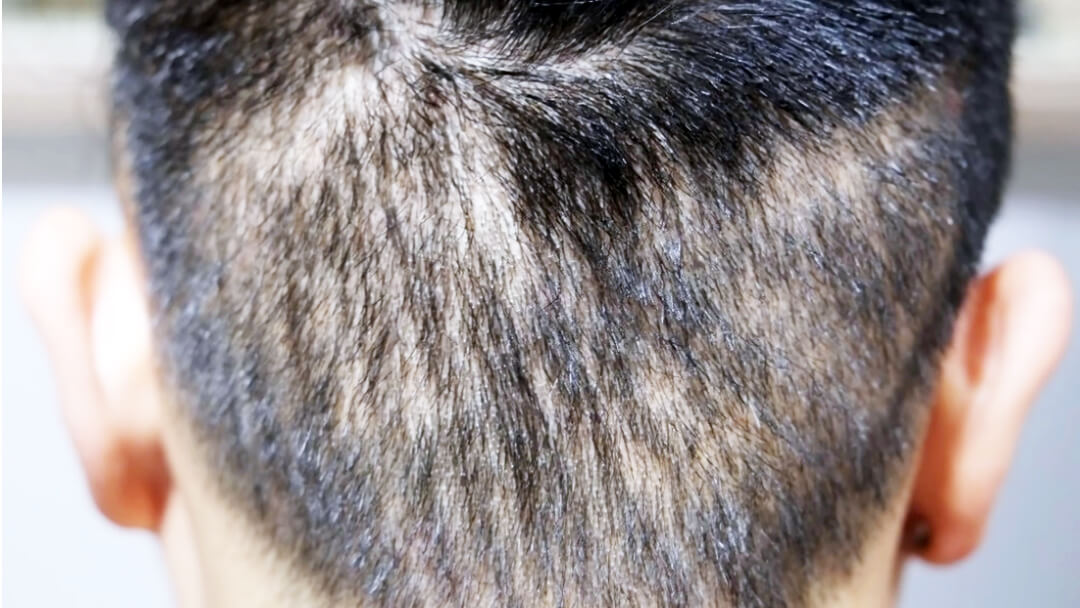
Donor assessment
Donor area assessment

When donor supply is significantly depleted, further surgical intervention may not be recommended. In such cases, non-surgical options such as SMP may be discussed.

Clinical Framework for Revision

1. Donor Assessment

Evaluation of remaining viable grafts to determine feasibility.

2. Strategic Prioritization

Grafts allocated to frontal core and hairline when resources are limited.

3. Candidacy Determination

Revision is recommended only when clinically appropriate.

Frequently Asked Questions

Q: Can any prior transplant be revised? Not always. Success depends on remaining donor supply and individual clinical factors.
Q: What is the most common revision? Softening unnatural hairlines by placing single-hair grafts in front of existing grafts.
Q: Can donor area depletion be addressed? Once over-harvested, the donor area cannot be restored. SMP may help camouflage.
Q: Is revision more complex than primary surgery? Often yes. Revision cases typically require more advanced planning.

Last Updated: May 8, 2026

This website is continuously reviewed and updated. Archived versions are not authoritative.