
Our Eyebrow Transplant Technique
A refined FUE approach for natural, permanent eyebrow restoration.
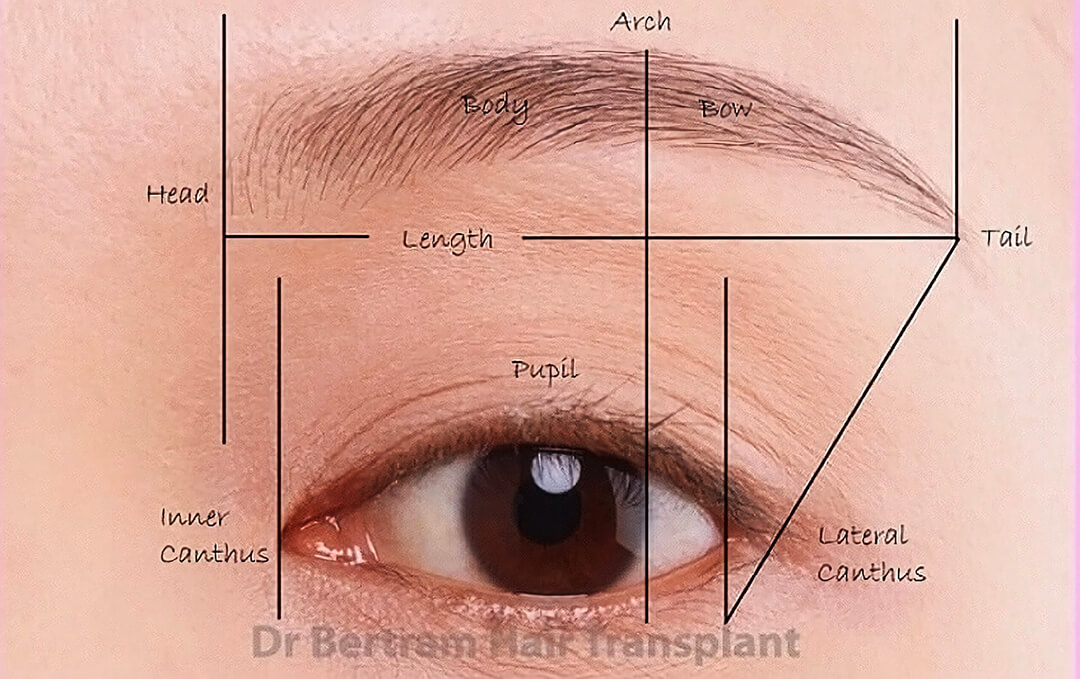
Key Technical Considerations
Eyebrow transplantation requires a specialized approach that differs significantly from scalp hair restoration. The eyebrows have unique characteristics – complex directional changes, finer hair caliber, and a short growth cycle – all of which demand precision and artistry.
Our technique uses Follicular Unit Extraction (FUE) with a refined stick-and-place method, ensuring natural-looking results with minimal scarring and a comfortable patient experience.
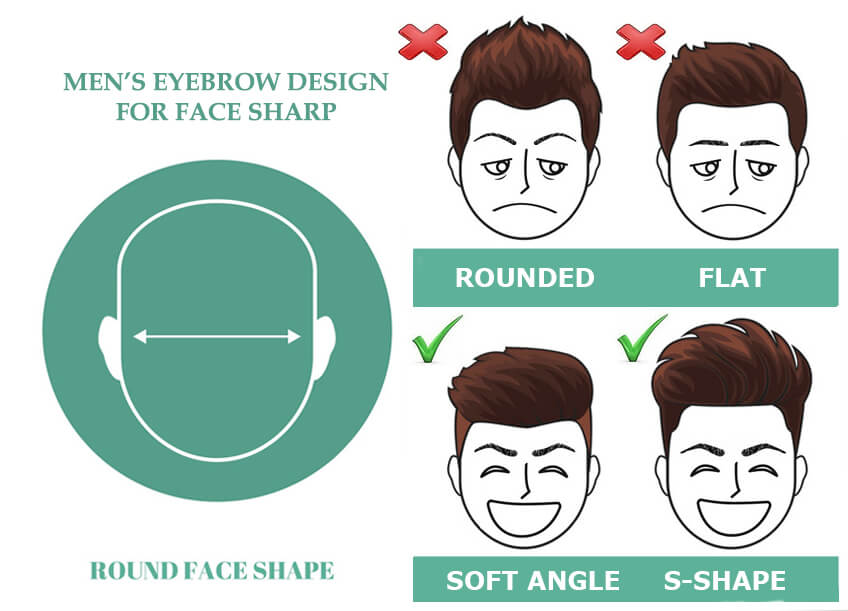
Successful eyebrow transplantation requires attention to several critical factors:
- Hair direction: Natural brows have complex directional changes – hairs angle upward at the inner head, converge at the arch, and sweep downward and outward at the tail. Each graft must be placed to follow this natural flow.
- Hair caliber: Nape hair is preferred because it is finer and softer, closely matching natural brow texture. Coarser hair would appear unnatural.
- Facial symmetry: Brow shape is customized to the individual's facial structure, bone contour, and existing brow architecture.
- Graft selection: Finest hairs are placed at the medial head and tail for a soft transition; more robust hairs are used at the arch for definition.
Design Protocol
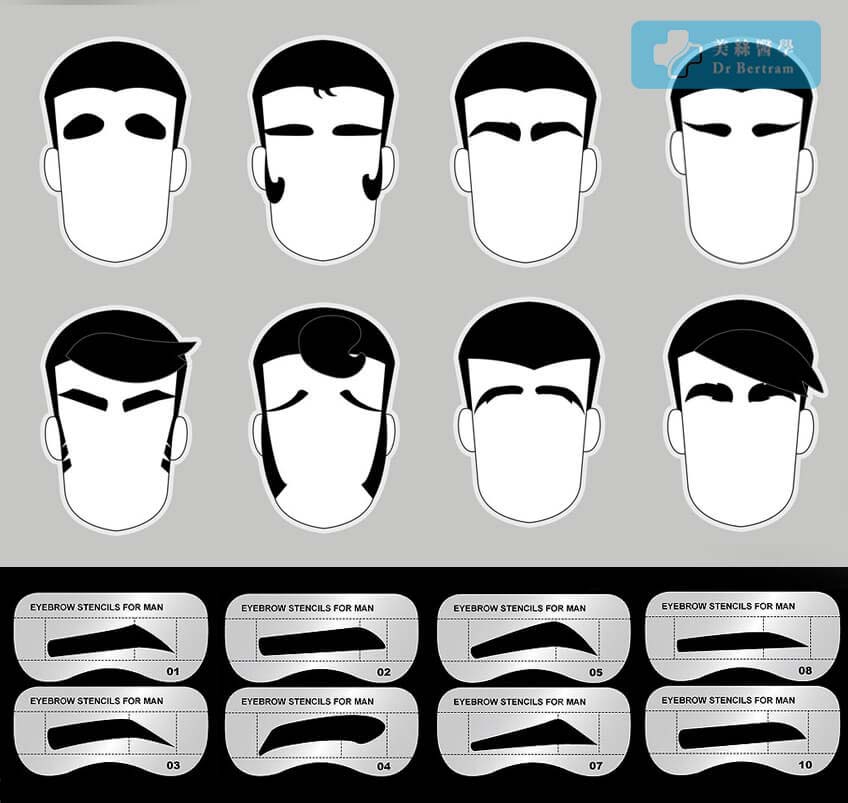
A systematic design process ensures optimal outcomes:
- Consultation: Assess the cause of hair loss, evaluate the donor area, and discuss patient goals.
- Anatomical design: Draft the brow shape based on facial bone structure, existing hair, and symmetry.
- Precision mapping: Mark the outline and individual graft placement zones on the brow area.
- Final review: Patient approves the design before anesthesia is administered.
💡 Note: The design is drawn on your face for approval before any anesthesia is given. You have the opportunity to provide input and confirm the shape.
FUE Stick-and-Place Technique
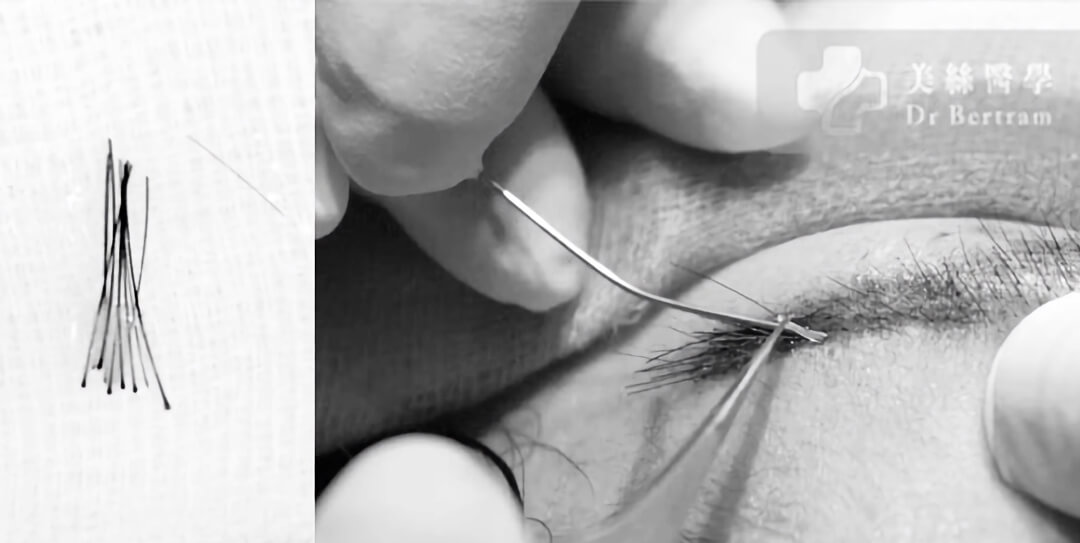
We use a refined stick-and-place FUE technique specifically adapted for eyebrow restoration:
- Harvesting: 0.7–0.8 mm micro-punches are used to extract 200–300 single-hair grafts per brow from the nape of the neck (or behind the ears).
- Slit creation: A fine needle or micro-blade creates the recipient site at the precise angle and depth.
- Graft placement: Each graft is immediately inserted into the slit using the stick-and-place method, allowing for precise angle adjustment and minimal graft handling.
- Angulation: Grafts are placed at shallow angles (10–15 degrees) to mimic the natural layering of eyebrow hairs.
- Graft selection: The finest single-hair grafts are placed at the medial head and tail for a soft transition; more robust grafts are placed at the arch for definition.
Grafts Needed
- Full eyebrow restoration: 300–500 single-hair grafts per brow.
- Partial enhancement or scar camouflage: Fewer grafts may be required.
Eyebrow Design Considerations
Several factors influence the final design and outcome:
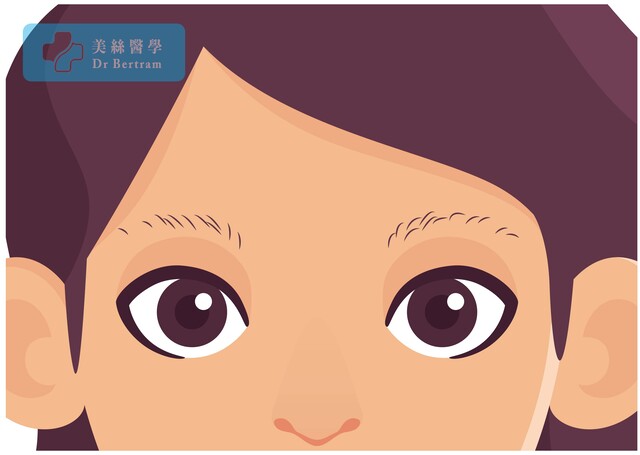
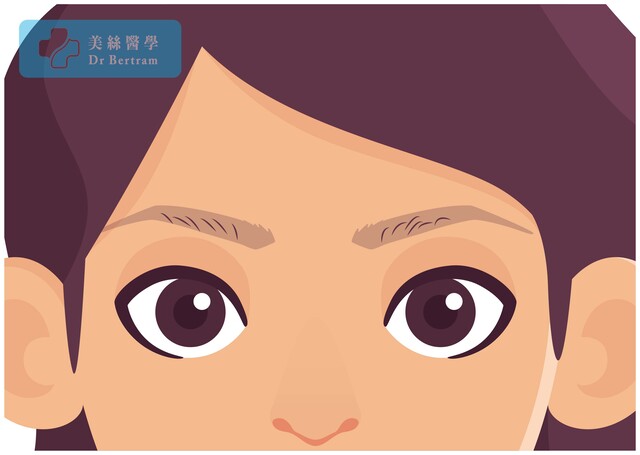
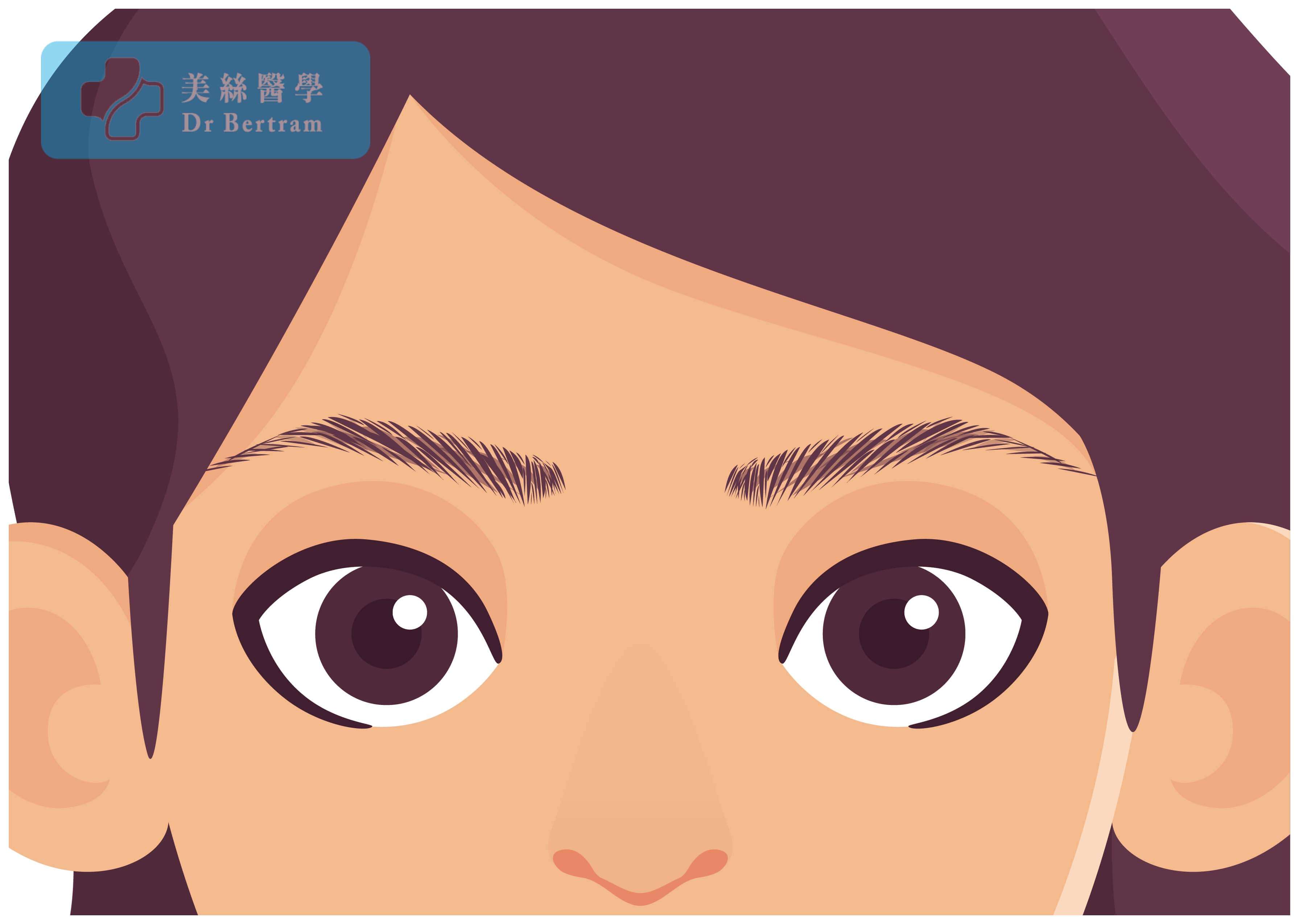
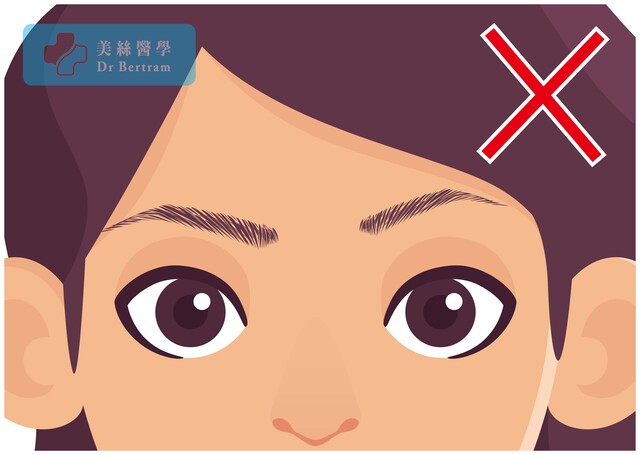
- Graft density: Appropriate density selection is important for a natural appearance – too sparse looks patchy, too dense looks artificial.
- Arch shape: The arch should align with the individual's facial structure and existing brow pattern.
- Growth direction: Follicles must be inserted following the natural flow of existing brow hairs.
- Positioning: Brow position affects facial expression and symmetry.
- Symmetry: Balanced positioning is important – though natural brows are rarely perfectly symmetrical.
Procedure Protocols
Anesthesia
Local anesthesia is administered with ultra-fine needles. Optional oral sedation is available for anxious patients.
Pain Management
Ultra-fine needles minimize discomfort during anesthetic administration. Most patients report minimal pain during the procedure.
Final Review
The doctor conducts a final review with the patient to confirm symmetry and design before the procedure begins.
Aftercare
Comprehensive aftercare instructions are provided at discharge, including cleansing, ointment application, and activity restrictions.
Frequently Asked Questions
Q: Why is nape hair preferred for eyebrows?
Nape hair is finer and softer, closely matching natural brow texture. Coarser hair would appear unnatural.
Q: How long does the procedure take?
Approximately 3–4 hours for bilateral eyebrow restoration (both brows).
Q: Is the procedure painful?
Local anesthesia numbs the area. Most patients report minimal discomfort during and after the procedure.
Q: Can I see the design before the procedure?
Yes. The design is drawn on your face for approval before any anesthesia is administered.
Q: What is the stick-and-place technique?
A refined FUE method where the recipient site is created and the graft is immediately inserted, allowing for precise angle control and minimal graft handling.
Q: How many grafts are needed?
Full eyebrow restoration typically requires 300–500 single-hair grafts per brow. Fewer grafts are needed for partial enhancement or scar camouflage.
Key Points to Remember
- Nape hair is preferred for its fine texture and natural brow match.
- Stick-and-place FUE allows for precise angle control and minimal graft handling.
- Design is approved before anesthesia – you have input in the final shape.
- 300–500 grafts are typically needed for full brow restoration.
- Shallow angles (10–15 degrees) create a soft, layered, natural appearance.