
Hair Transplant - Cost Estimation Guide
Clinical factors that influence hair restoration procedure pricing.
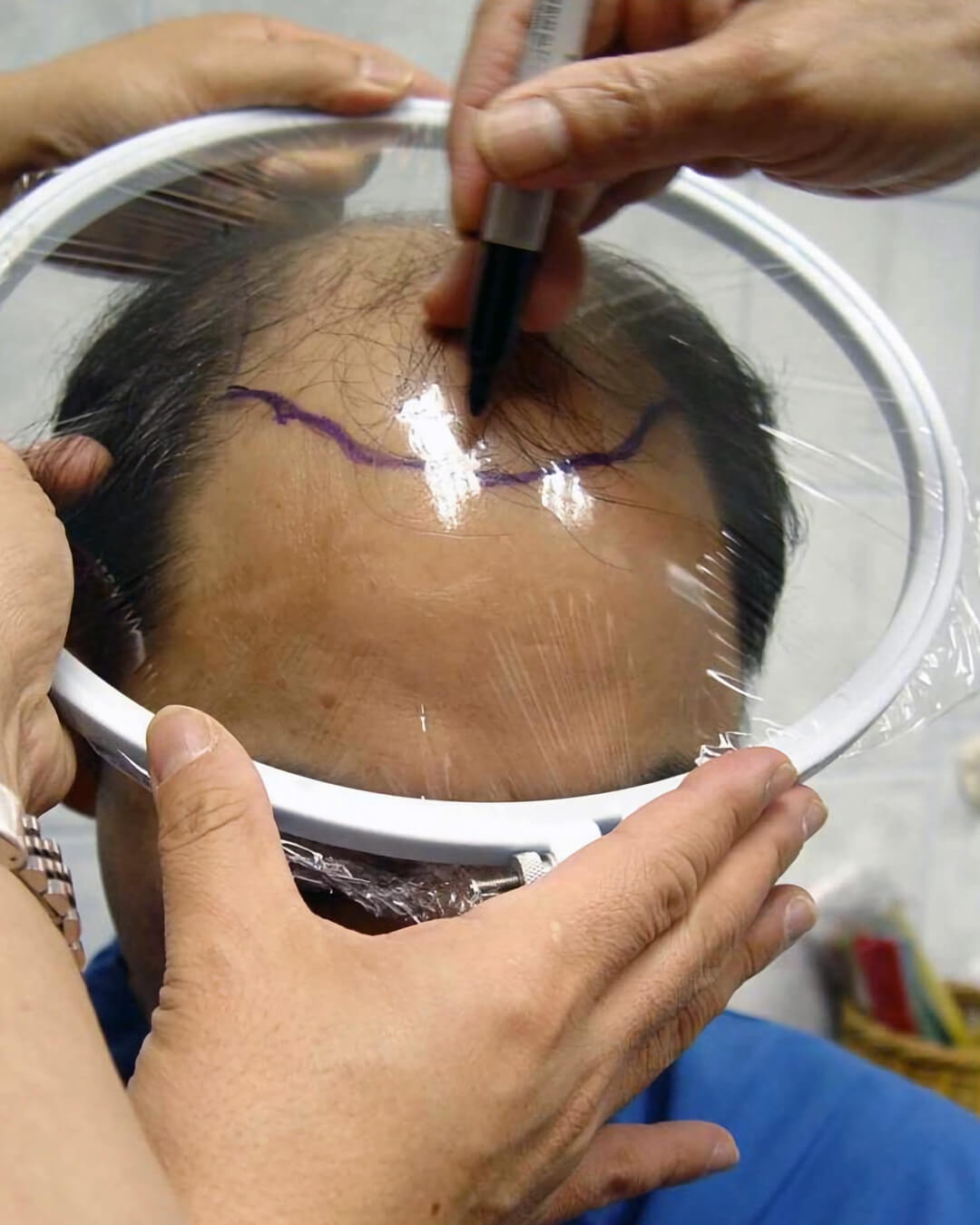
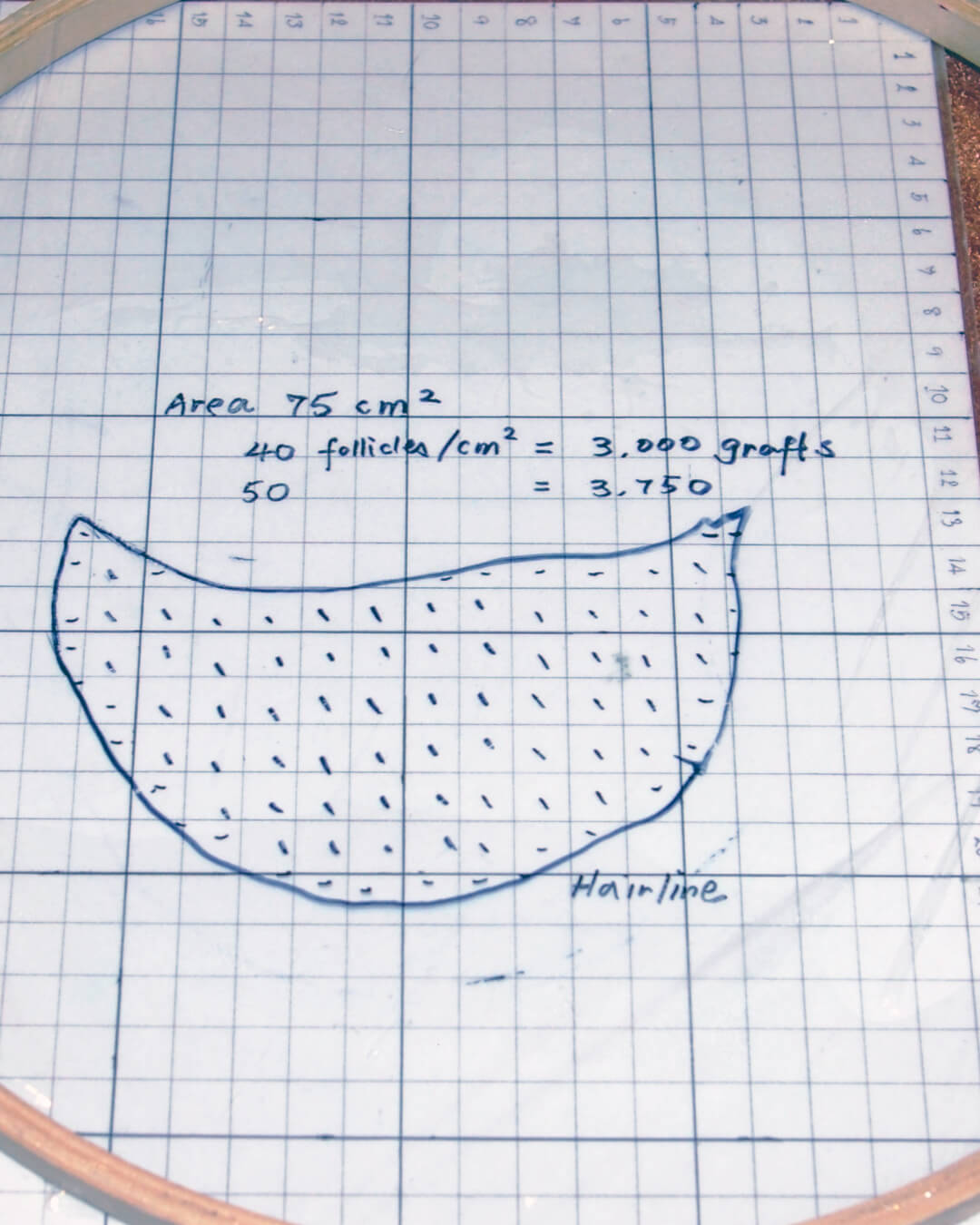
Clinical Factors 1 and 2: Area and Density
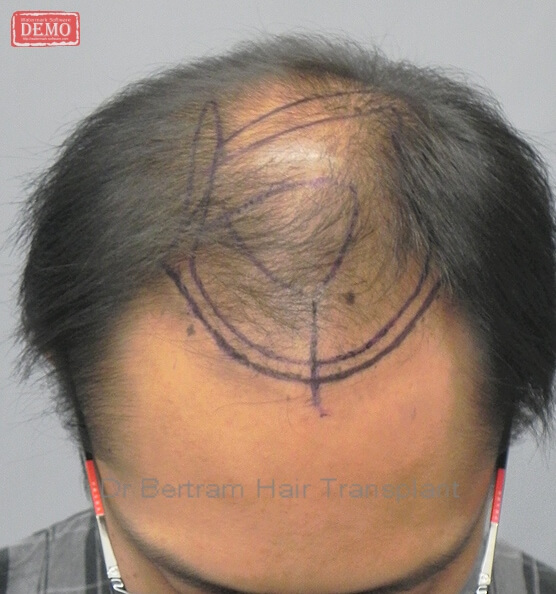
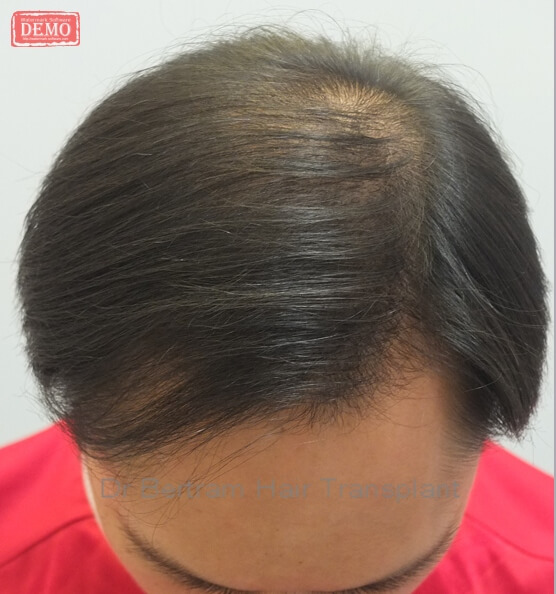
1. Treatment Area
- Frontal priority: Hairline and frontal zone provide facial framing.
- Future planning: Treatment plan accounts for potential future loss.
- Donor conservation: Treated area balanced against preserving donor hair.
2. Target Density
- Perceptual threshold: Optical fullness is typically achieved at approximately 50% of original density.
- Strategic placement: Graft placement focuses on areas of highest visual impact.
- Hair characteristics: Coarse, dark, or wavy hair may provide greater coverage with fewer grafts.
Clinical Factors 3 and 4: Donor Supply and Expectations
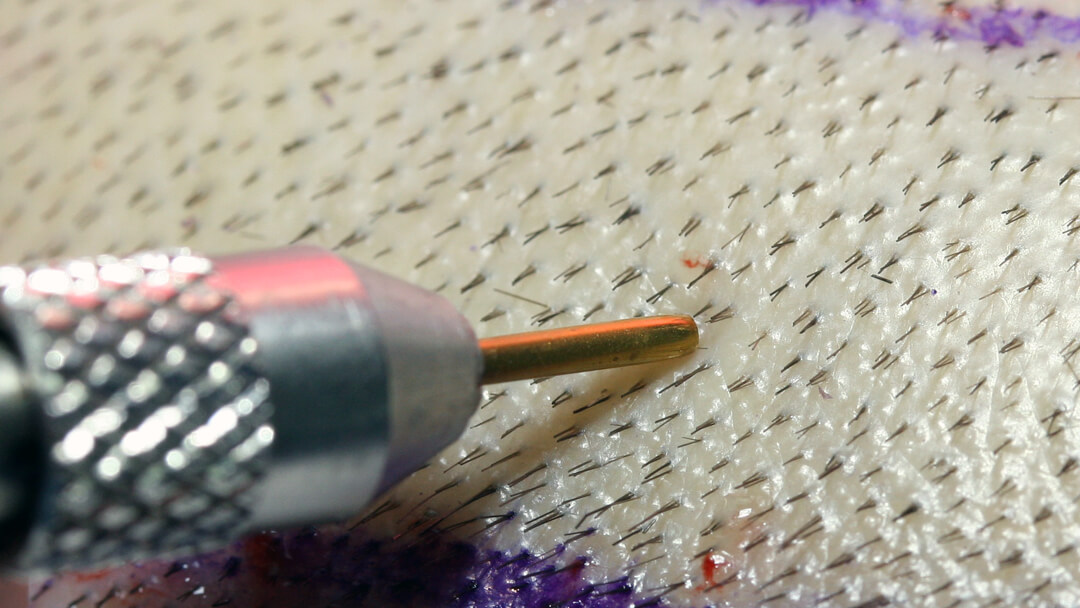
3. Donor Supply
- Finite resource: Donor area supply is limited.
- Density assessment: Determines available graft supply.
- Harvesting limits: Only a percentage can be extracted without visible changes.
- Long-term allocation: Planning ensures reserves for future needs.
4. Clinical Expectations
- Design complexity: Natural hairline design requires specific planning.
- Restoration goals: Treatment goals affect graft count and strategy.
- Graft survival: Protocols focus on graft preservation.
Clinical Assessment Required

A comprehensive estimate requires in-person evaluation of the following:
- Physical examination: Donor density, hair caliber, and scalp elasticity.
- Pattern analysis: Assessment of potential future loss progression.
- Clinical discussion: Alignment of aesthetic goals with medical feasibility.